Iran Mourns Khamenei Amid Persistent Public Discontent
Mass mourning fills Iranian streets, but deep-seated grievances against the clerical establishment continue to simmer beneath the surface.

Crowds have gathered across Iran to mourn Supreme Leader Ali Khamenei, filling city streets in displays of state-organized grief that the government has long used to project unity and legitimacy. Yet even as the ceremonies unfold, observers note that the outward spectacle of mourning does not erase the underlying frustrations that have periodically erupted in protest in recent years.
Iran's clerical leadership has historically leveraged public mourning rituals as a powerful instrument of political consolidation. These mass gatherings serve a dual purpose: they reinforce the ideological foundations of the Islamic Republic while signaling to both domestic and international audiences that the regime retains a meaningful popular base. But the coexistence of public mourning and private discontent is a tension that analysts have tracked carefully, particularly after waves of unrest tied to economic hardship, social restrictions, and demands for political reform.
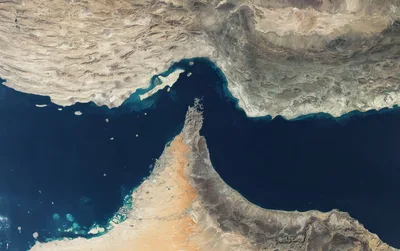
Read more Iran Holds Strait of Hormuz Talks With Saudi Arabia and Oman →
The gap between street-level ceremony and everyday grievance reflects a broader challenge facing Iran's leadership. Decades of sanctions, inflation, and constrained civil liberties have eroded trust among significant portions of the population, especially younger Iranians who have grown up entirely under the Islamic Republic. Mourning rituals, however genuine for some participants, cannot fully mask that structural discontent — a reality that any successor leadership will eventually have to confront.
What makes this moment analytically significant is the question of political transition it implicitly raises. Khamenei has served as Supreme Leader since 1989, and his passing — or the anticipation of it — inevitably forces Iran's political establishment to grapple with succession at a time of both internal strain and external pressure from ongoing nuclear negotiations and regional tensions. The ceremonies themselves may be as much about managing that uncertainty as they are about genuine collective mourning.
Continue reading at Reuters.