Iran Tests Japan Oil Market as Buyers Push for Longer Sanctions Relief
Tehran is quietly exploring crude sales to Japan while existing buyers pressure Washington for extended sanctions waivers, sources tell Reuters.

Iran is quietly probing the Japanese oil market as part of a broader effort to expand its customer base amid ongoing international sanctions, according to sources familiar with the matter cited by Reuters. The move signals Tehran's intent to diversify beyond its established buyers — primarily China — and test the appetite of a major Asian energy importer that has historically maintained close energy ties with the United States.
At the same time, current buyers of Iranian crude are pushing Washington for longer-duration sanctions waivers, a demand that reflects growing commercial anxiety about the reliability of supply channels under a frequently shifting U.S. policy landscape. The requests for extended exemptions suggest that existing customers are deepening their dependence on Iranian oil and want more predictable cover before committing to larger or longer-term contracts.
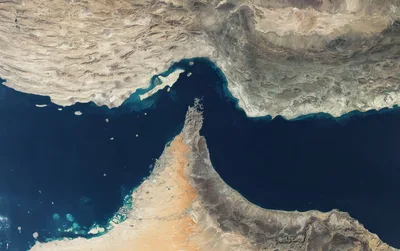
Read more Iran Holds Strait of Hormuz Talks With Saudi Arabia and Oman →
The dual development — outreach to new markets and pressure for waiver extensions — illustrates the strategic balancing act Tehran is navigating. Iran cannot easily replace the revenue lost to sanctions, yet every new buyer it attracts becomes a potential lever in future diplomatic negotiations. Japan's potential involvement would mark a meaningful expansion of Iran's sanctioned oil network, given Tokyo's status as a U.S. treaty ally and its sensitivity to American pressure.
For Washington, the signals create a policy dilemma. Granting longer waivers risks undermining the coercive power of the sanctions regime, while refusing them may push buyers further toward workaround arrangements outside U.S. oversight. Analysts have long argued that the effectiveness of oil sanctions erodes over time as markets adapt, and Iran's current outreach to Japan may reflect exactly that kind of structural adaptation in motion.
The broader context is a global energy market still recalibrating after years of supply disruptions, where price-sensitive buyers are increasingly willing to absorb political risk in exchange for discounted barrels. Continue reading at Reuters.