Iran-US Talks in Doha Shadowed by Ceasefire Doubts
Both sides send delegations to Qatar but Tehran denies direct contact, while fresh military exchanges test the fragile June 17 accord.
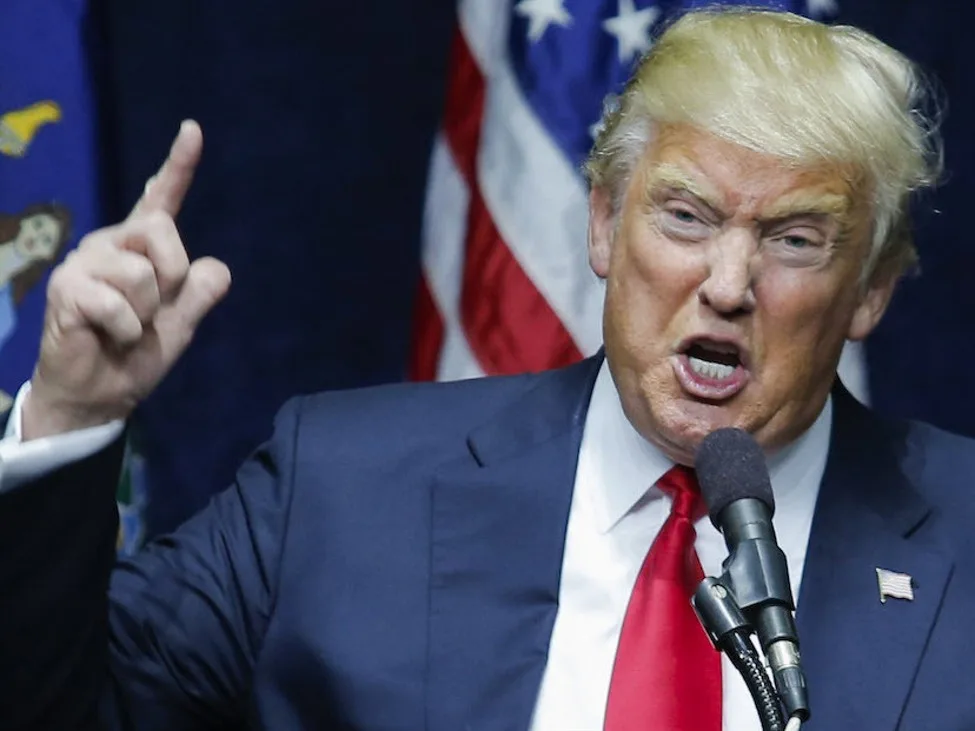
The diplomatic choreography around US-Iran relations grew more complex this week as both countries dispatched negotiating teams to Doha — yet Tehran was quick to insist the two delegations would not meet face to face. Iran's foreign ministry explicitly stated its technical team's presence in Qatar bore no relationship to the American visit, and that no bilateral meetings at any level were imminent. Washington's side is led by Jared Kushner and envoy Steve Witkoff, signaling the White House still regards the talks as a priority even as the other party publicly distances itself from direct engagement.
The discord over basic logistics reflects just how precarious the June 17 ceasefire agreement has become. Over the weekend, the United States bombed Iranian military facilities while Iran struck American positions in Kuwait and Bahrain — a missile and drone exchange that illustrates how quickly the truce frayed after being struck. Both governments have accused the other of violations, and the mutual recriminations are now an embedded feature of the negotiating environment rather than an exception to it. Oil markets took notice: Brent crude climbed close to one percent Monday as traders priced in the renewed risk premium.
Read more U.S. and Iran Set for New Qatar Talks After Weekend Tensions →
Iranian President Masoud Pezeshkian framed his country's posture in pointed terms on social media, describing Washington's rhetoric as "unreasonable boasting and unfounded threats" and pledging a response grounded in "rationality and human dignity" alongside "decisive and fearless defense" when action is required. That dual-track messaging — conciliatory in principle, unyielding in tone — captures the tension at the heart of the current impasse. Pezeshkian also confirmed that six billion dollars in frozen Iranian assets held in Qatar would be released in two tranches under the accord, alongside US sanctions waivers on Iranian oil and petrochemicals, which he characterized as a meaningful gain for Tehran.
The Strait of Hormuz, through which roughly a fifth of global oil trade has historically flowed, remains the sharpest practical flashpoint. Iran has asserted authority over approved shipping lanes and begun levying transit fees on vessels, moves Washington views as a provocation. French President Emmanuel Macron announced he was coordinating with Oman on de-escalation efforts and would join partners in clearing mines from the waterway — a sign that European powers are stepping into the vacuum left by stalled direct diplomacy. Indirect mediation through Qatari and Pakistani intermediaries may focus narrowly on Hormuz shipping rather than the broader nuclear questions that defined earlier Swiss rounds.
Lebanon adds yet another fault line, with parliament speaker Nabih Berri warning that a US-brokered Israel-Lebanon framework risks partitioning the country and would not be honored. The overlapping crises suggest that even if the Doha back-channel produces incremental progress, the broader regional architecture remains deeply unstable. Continue reading at Forexlive.