Kevin Warsh's Inflation Plan Draws Scrutiny From Critics
The Fed chair nominee and White House allies are deflecting questions about a concrete inflation strategy, raising concerns among economists.
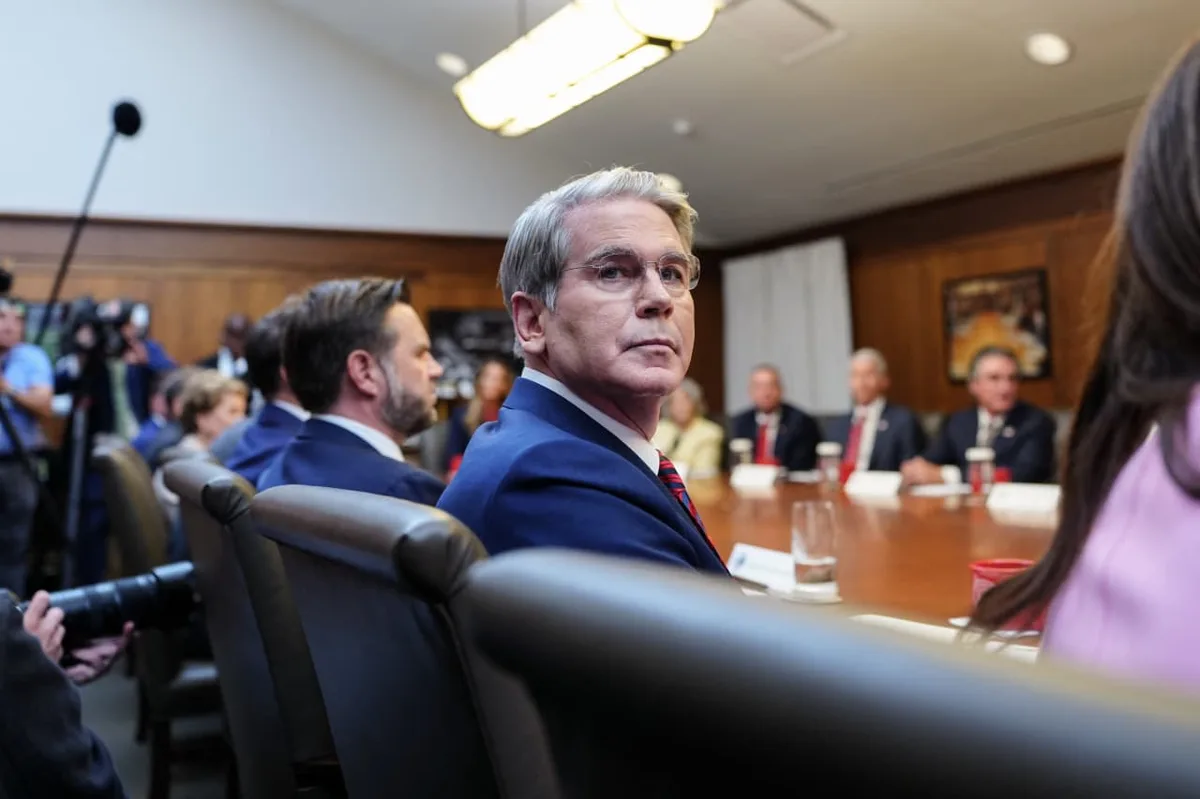
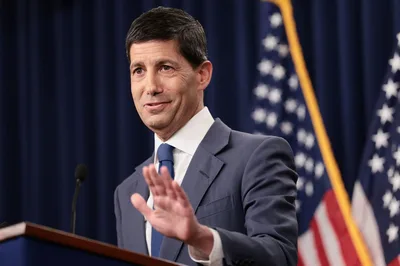
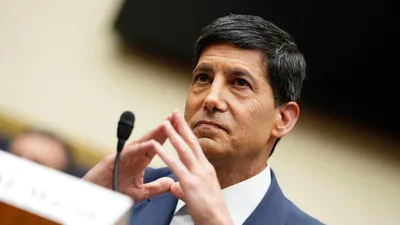
As Kevin Warsh positions himself to lead the Federal Reserve, a pointed question is hanging over Washington's economic policymaking circles: what, exactly, is the plan to bring inflation down? According to a MarketWatch report, Warsh and his White House allies have been notably reluctant to articulate a clear, detailed strategy — a posture that critics argue is inadequate given the stakes involved in managing price stability for American households and businesses.
The reticence is more than a communications problem. When a central bank's leadership declines to outline its anti-inflation framework, it risks undermining the forward guidance that markets and businesses depend on to make investment and pricing decisions. Credibility, in monetary policy, is often as powerful a tool as interest rate adjustments themselves — and opacity tends to erode it.
Read more US Economy Grew 1.5% in Q2 as Federal Spending Dragged on GDP →
Critics specifically argue that Warsh's expressed determination to cool price pressures is not, on its own, a sufficient substitute for a transparent and actionable plan. Conviction without methodology leaves open fundamental questions: at what pace would the Fed move, under what conditions would it pivot, and how would it balance inflation reduction against risks to employment and growth?
The political dimension adds another layer of complexity. When a Fed chair operates in close alignment with White House allies — as the framing of this situation suggests — the perception of institutional independence becomes fragile. The Fed's inflation-fighting credibility has historically rested in part on its ability to act without political interference, and any blurring of that boundary invites skepticism from bond markets and international investors alike.
Whether Warsh and his supporters eventually produce a more detailed roadmap remains to be seen. For now, the silence itself is becoming a story — and a signal worth watching closely. Continue reading at MarketWatch.com