Lagarde Signals Possible Early ECB Exit Amid French Political Ambitions
ECB President Christine Lagarde has refused to rule out leaving her post early, fueling speculation about a return to French politics.
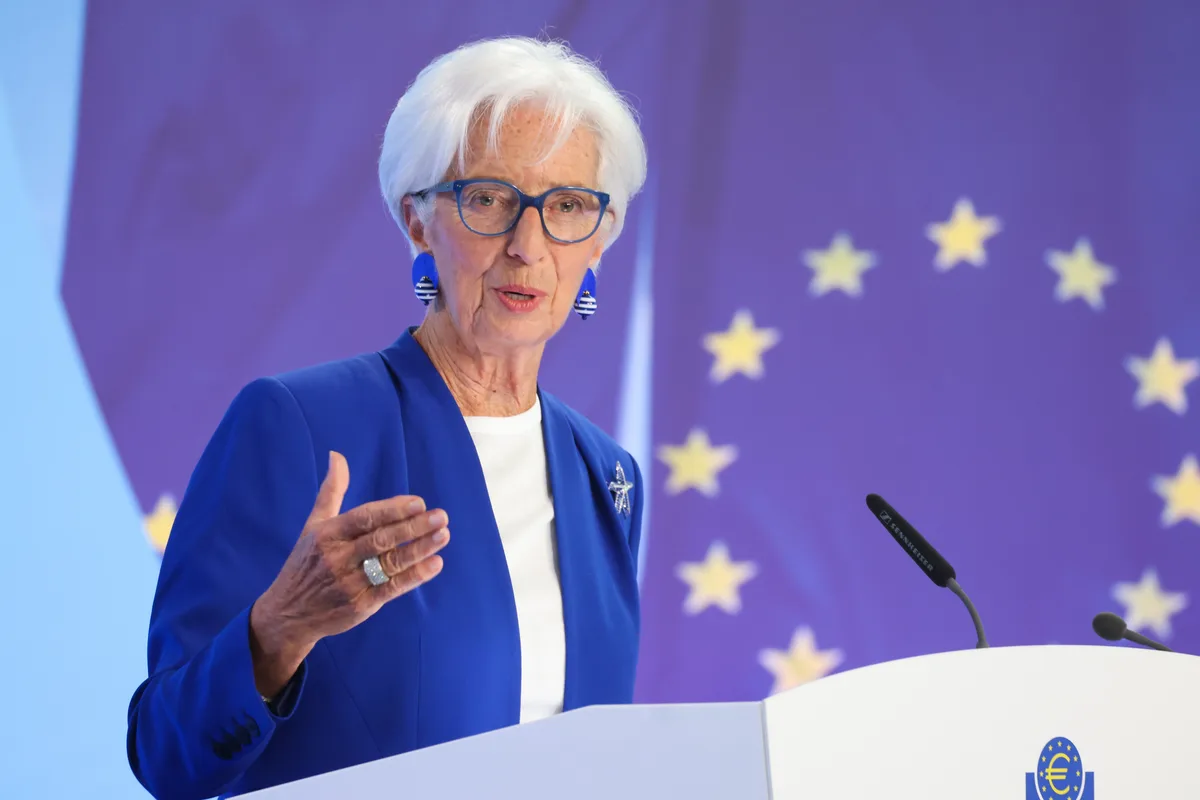
Christine Lagarde, the president of the European Central Bank, has stopped short of committing to completing her full term at the helm of one of the world's most powerful monetary institutions — a notable departure from the kind of categorical denial that central bank leaders typically offer to preserve institutional stability. By leaving the door open, Lagarde has effectively handed markets and policymakers a new uncertainty to price in at a moment when the ECB is navigating a delicate post-rate-hike landscape.
The subtext of her ambiguity points squarely toward French domestic politics. Lagarde, a former French finance minister and managing director of the International Monetary Fund before taking the ECB's top job, has never entirely shed her identity as a political figure. Speculation about her potential role in French political life — whether as a presidential candidate or in another senior capacity — has periodically surfaced throughout her ECB tenure, but her latest comments mark the first time she has declined to explicitly close off that possibility.
Read more Iran Holds Strait of Hormuz Talks With Saudi Arabia and Oman →
From an institutional standpoint, the implications are significant. ECB presidents serve eight-year, non-renewable terms, a design intended to insulate monetary policy from short-term political pressures. An early departure would trigger a succession process among eurozone member states, potentially reopening debates about the geographic and ideological balance of ECB leadership at a time when the bloc's economic outlook remains fragile. Investors tend to reward predictability in central bank governance, and any prolonged uncertainty about the ECB's leadership could ripple through bond markets and the euro's exchange rate.
Lagarde's careful non-denial also reflects the broader tension that career politicians who lead technocratic institutions routinely face: the pull of electoral relevance versus the demands of institutional credibility. Her record at the ECB — steering the bank through aggressive rate hikes to combat post-pandemic inflation — gives her both a policy legacy to defend and a political profile to leverage. Whether she ultimately chooses Brussels over Paris remains to be seen, but the mere hint of ambiguity is itself a form of political signaling.
Continue reading at US Top News and Analysis.