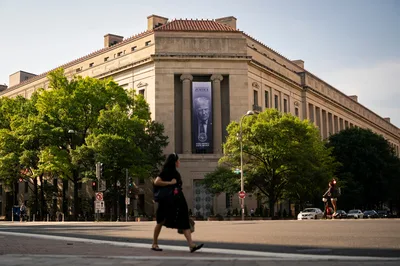
Leon Black Sues House Oversight to Block Epstein Subpoenas
Apollo co-founder Leon Black is suing the House Oversight Committee over subpoenas tied to the Epstein probe, citing irrelevant NDAs.
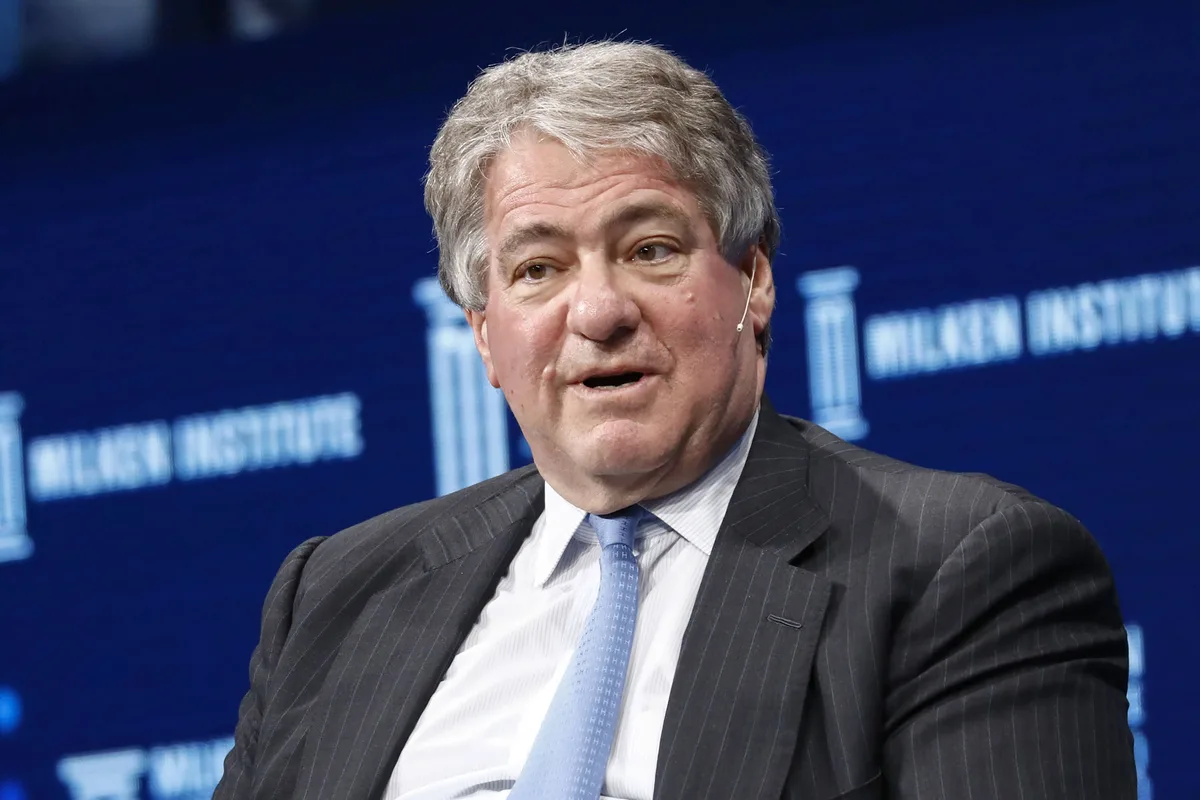
Leon Black, the billionaire co-founder of Apollo Global Management, has taken the unusual step of suing the House Oversight Committee in an effort to block subpoenas issued as part of the panel's ongoing investigation into Jeffrey Epstein's network. Black declined to appear before the committee Thursday, escalating what has become a high-profile legal standoff between a prominent financier and congressional investigators.
At the center of the dispute are non-disclosure agreements that House Oversight lawmakers sought as part of their Epstein-related inquiry. Black's legal team argues that the NDAs in question have no bearing whatsoever on his past dealings with Epstein, framing the subpoenas as an overreach that conflates unrelated private agreements with the committee's stated investigative purpose. That distinction — between what Congress says it needs and what a witness believes is actually relevant — is frequently the battleground in subpoena challenges of this kind.
Read more King Charles to Host Oman's Sultan for UK State Visit in October →
Black has previously acknowledged a significant financial relationship with Epstein, disclosing that he paid the late convicted sex offender more than $150 million for tax and estate planning advice over several years. That admission drew intense scrutiny and ultimately contributed to Black stepping down as Apollo's chief executive. The House Oversight probe represents a continued institutional effort to map the full scope of Epstein's influence across finance, politics, and other elite circles.
Legal challenges to congressional subpoenas face a steep climb in the courts, as lawmakers historically enjoy broad investigative authority. Whether Black's lawsuit gains traction will likely depend on how narrowly or broadly the court reads the committee's stated legislative purpose — a question that touches on the constitutional balance between congressional oversight power and individual privacy rights. The outcome could set a meaningful precedent for how other Epstein-adjacent figures respond to similar demands.
Continue reading at US Top News and Analysis