U.S.-Iran Tensions Rise as Sanctions Strategy Shows Its Limits
Fresh escalation between Washington and Tehran revives debate over whether diplomacy or conflict lies ahead.
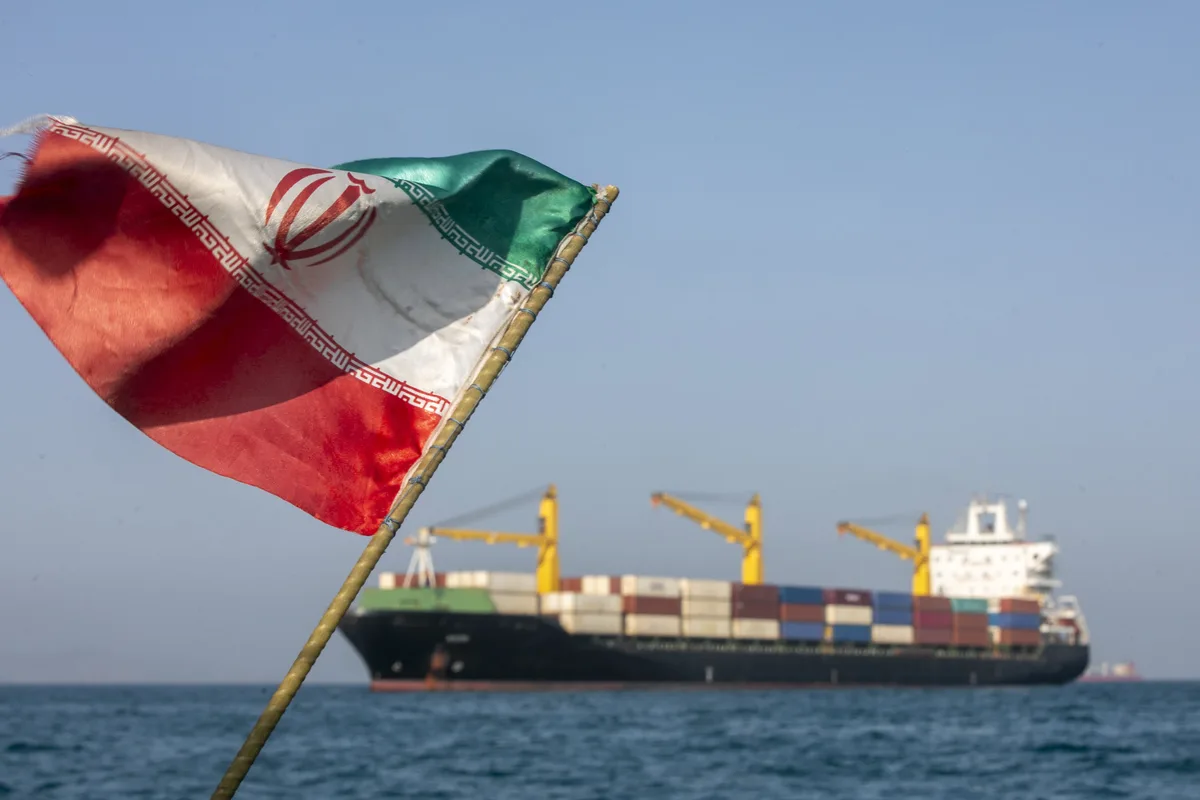
The latest flare-up in U.S.-Iran relations has forced a reckoning with a question policymakers have long tried to defer: is the current pressure campaign actually working, or is it simply buying time before a more dangerous confrontation? Renewed hostilities have put the slow, grinding logic of economic sanctions back under a harsh spotlight, exposing the gap between what Washington hopes sanctions will accomplish and what they have actually delivered.
Sanctions have historically been sold as a middle path — a tool that imposes real costs without the irreversible consequences of military action. Yet the frustration evident in Washington's posture suggests that patience with this approach is wearing thin. When sanctions fail to produce the behavioral changes they are designed to compel, governments face an uncomfortable binary: escalate militarily or accept an outcome that sanctions were supposed to prevent.
Read more Trump Claims Venezuela Oil Deal, but Price Relief Is Far Off →
The renewed tensions also reopen a structural debate about negotiating leverage. Pressure campaigns are most effective when the sanctioned party believes a credible off-ramp exists. Without visible diplomatic progress, each round of escalation risks hardening positions on both sides, making a negotiated settlement incrementally harder to reach even as the costs of conflict rise.
What makes the current moment particularly consequential is the uncertainty over trajectory. Observers and officials alike are left parsing whether the hostilities represent a controlled pressure tactic, a sign that the sanctions architecture is fracturing, or the opening moves of a more sustained confrontation. The answer will have significant implications not just for U.S.-Iran relations, but for how Washington deploys economic coercion as a foreign policy instrument going forward.
Continue reading at US Top News and Analysis.