Macron, Modi Court Big Tech as Global AI Race Heats Up
France and India are aggressively wooing major AI firms, seeking data center investment and cloud infrastructure deals.
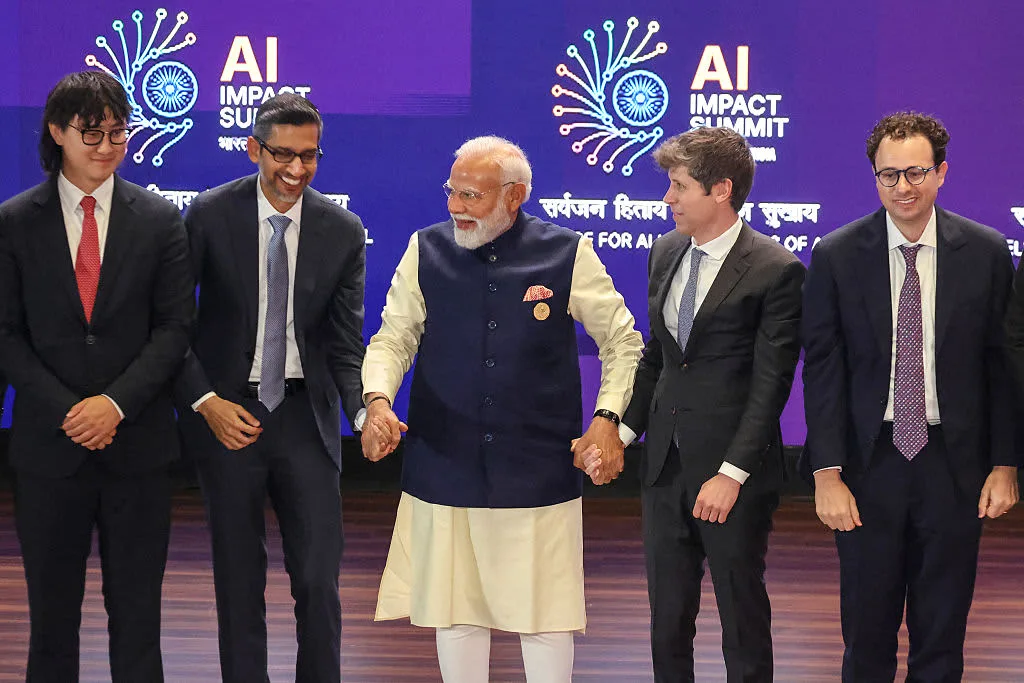
A quiet but consequential competition is unfolding across the globe: national governments are deploying their most senior leaders to attract artificial intelligence investment, with France and India emerging as two of the most aggressive players. Presidents and prime ministers are no longer passive hosts — they are active salespeople, pitching their nations' regulatory environments, talent pools, and infrastructure potential directly to technology executives.
French President Emmanuel Macron and Indian Prime Minister Narendra Modi have both made high-profile overtures to major AI companies, signaling that the build-out of data centers and cloud infrastructure has become a matter of national economic strategy. For France, the appeal lies in its ambitions to position Europe as a credible AI power rather than merely a regulatory body that watches from the sidelines. For India, the calculus is different but equally urgent — a vast technology workforce and a booming digital economy make it a compelling destination for hyperscale investment.
Read more Iran Holds Strait of Hormuz Talks With Saudi Arabia and Oman →
The broader pattern reflects a fundamental shift in how governments perceive AI infrastructure. Data centers are no longer viewed simply as corporate real estate; they are increasingly treated as strategic assets akin to ports or power grids. Nations that secure major AI investment today are betting they will gain outsized economic and geopolitical leverage in the decades ahead, as AI capabilities become more tightly woven into commerce, defense, and governance.
What makes this moment particularly notable is the leverage it hands to the technology giants themselves. When heads of state compete for a company's investment, the negotiating dynamic shifts decisively toward the private sector. Firms can extract favorable regulatory conditions, tax incentives, or infrastructure subsidies — terms that smaller, less strategically minded governments might never have offered voluntarily.
The red-carpet treatment for AI executives underscores a broader tension in democratic governance: the need to attract private capital for public benefit while avoiding excessive dependence on a handful of powerful corporations. How France, India, and their peers navigate that tension will shape not just their AI ambitions, but the structure of the global technology order for years to come. Continue reading at US Top News and Analysis.