Mortgage Demand Slips as Rates Stall in Tight Range
Mortgage applications fell last week as interest rates remained largely unchanged, dampening buyer and refinancer activity.
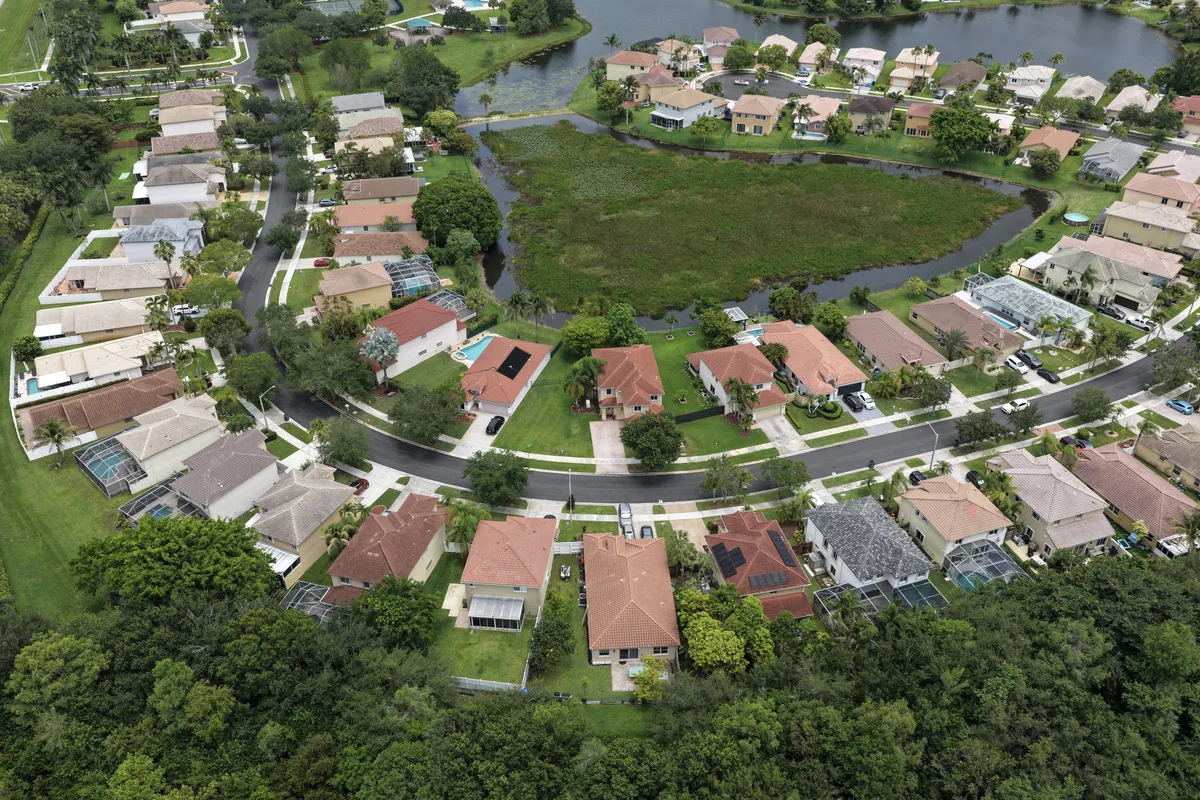
The U.S. housing market is caught in a holding pattern, and the latest mortgage demand figures underscore just how much borrower behavior tracks with rate movement — or the lack thereof. With mortgage rates barely shifting over the past several weeks, applications have grown sluggish, reflecting a market where neither buyers nor homeowners see enough incentive to act.
When rates move — even modestly — they tend to unlock pent-up demand. A dip can pull fence-sitting buyers off the sidelines or prompt existing homeowners to refinance loans originated at higher rates. But when rates flatline within a narrow band for an extended period, that psychological trigger disappears. The result is the kind of muted activity that industry data captured last week: not a collapse, but a quiet retreat.
Read more UK PM Burnham Scraps VAT on Energy Bills in First Policy Move →
This dynamic points to a broader structural tension in the housing market. Elevated rates relative to the historic lows of the pandemic era have already frozen much of the existing-home supply, as sellers with locked-in low-rate mortgages resist listing their properties. Weak new mortgage demand on top of constrained supply creates a market that is simultaneously unaffordable and illiquid — a combination that tends to prolong stagnation rather than resolve it.
For prospective buyers, the calculus remains difficult. Affordability hasn't meaningfully improved, and with rates anchored in place, there's little momentum pushing prices lower or financing costs down. Analysts watching the mortgage market will be looking to Federal Reserve signals and broader economic data for any catalyst that could break rates — and demand — out of their current range.
Continue reading at US Top News and Analysis.