NATO Allies Set to Discuss Strait of Hormuz Tensions With Gulf Partners
NATO member states are planning talks with Gulf Arab partners over rising tensions in the Strait of Hormuz and potential joint mission options.

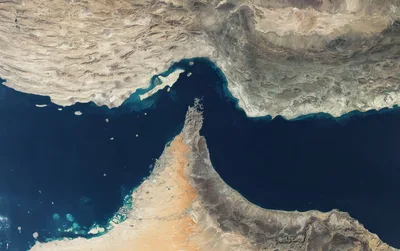
NATO member nations are preparing to hold consultations with Gulf Arab states over escalating tensions in and around the Strait of Hormuz, one of the world's most strategically vital waterways, according to Reuters. The discussions signal growing concern within the alliance that instability in the region could have broad consequences for global energy markets and maritime security.
The Strait of Hormuz serves as the chokepoint through which a significant share of the world's seaborne oil passes, making any military or political friction there a matter of acute international concern. By engaging Gulf Arab partners directly, NATO appears to be signaling a willingness to extend its security dialogue beyond its traditional Euro-Atlantic boundaries — a posture that has been evolving gradually over recent years as threats have grown more geographically diffuse.
Read more Iran Holds Strait of Hormuz Talks With Saudi Arabia and Oman →
The nature of any potential NATO-linked mission in the area remains under discussion, but the very fact that such conversations are taking place underscores the alliance's recognition that energy security and freedom of navigation are inseparable from broader collective defense priorities. Gulf Arab states, for their part, have long sought deeper security partnerships with Western powers amid persistent regional instability.
Analysts have noted that coordinating with Gulf partners introduces both strategic opportunities and political complexities — NATO must balance its collective defense commitments with the varied foreign policy interests of its 32 member states, not all of whom share identical threat perceptions regarding the Gulf. How the alliance structures any formal engagement will likely set precedents for how it manages partnerships outside its core treaty area going forward.
Continue reading at Reuters.