NPR Retracts Alito Retirement Story Within Minutes of Publishing
NPR published and quickly pulled a story about Justice Alito's retirement, raising questions about editorial standards at the public broadcaster.
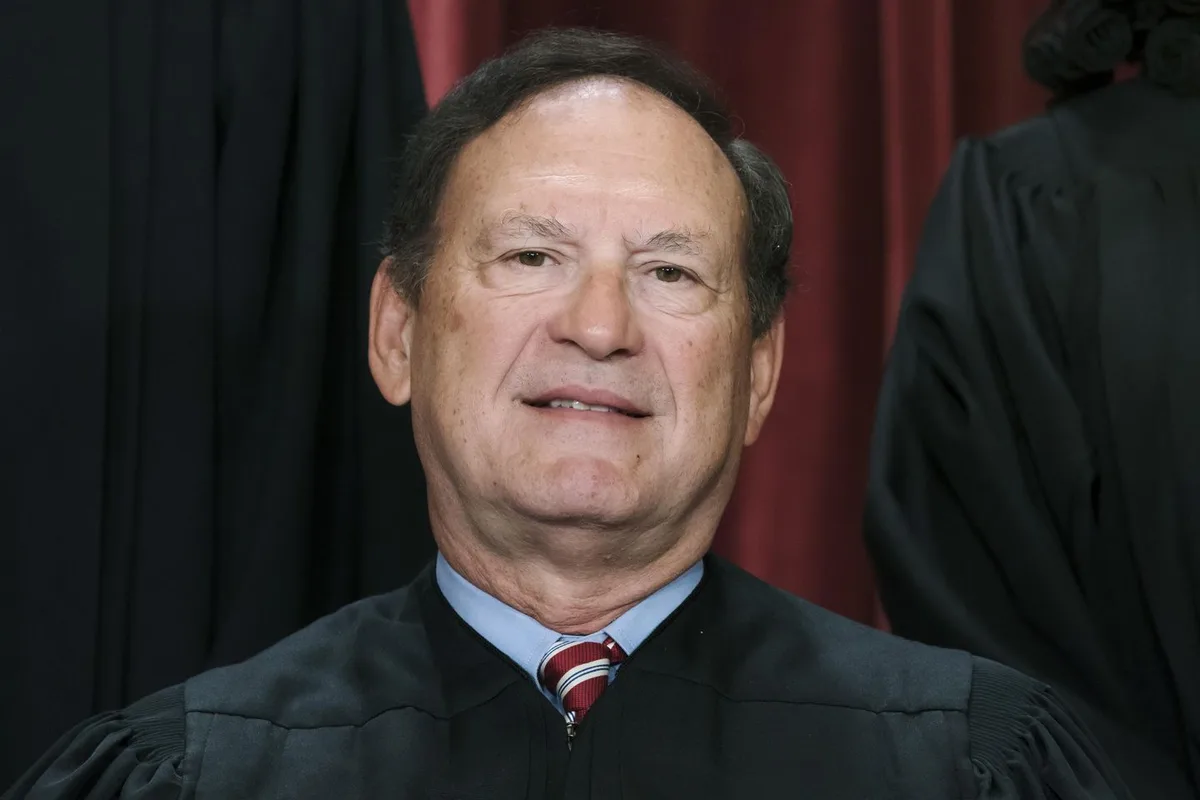
NPR found itself at the center of a significant editorial embarrassment after publishing and then almost immediately retracting a story claiming Supreme Court Justice Samuel Alito was retiring, according to a report by The Washington Times. The swift reversal — measured in minutes rather than hours — underscored the reputational stakes when major news organizations rush unverified claims about the nation's highest court into publication.
The incident arrives at a moment when public trust in legacy media institutions is already under sustained pressure. A retraction of this magnitude, concerning a sitting Supreme Court justice, carries outsized consequences: financial markets, legal circles, and political operatives all monitor court composition news closely, meaning even a brief false report can ripple outward before a correction catches up.
Read more Iran Holds Strait of Hormuz Talks With Saudi Arabia and Oman →
For NPR specifically, the episode is particularly fraught. The network, which receives federal funding and has faced renewed scrutiny over its editorial independence and political positioning, can ill afford high-profile errors that critics can wield as evidence of journalistic carelessness. A story about an Alito departure — whether accurate or not — would be among the most consequential Supreme Court news of the current term, making the failure to verify before publication all the more striking.
What remains unclear from the available reporting is how the erroneous story entered NPR's publishing pipeline in the first place — whether it originated from a misread source, a miscommunication, or a more systemic breakdown in the editorial review process. Those procedural questions matter as much as the retraction itself, because they speak to whether the error was an isolated lapse or a symptom of broader newsroom pressures to publish first and verify second.
The episode is a pointed reminder that speed and accuracy remain in fundamental tension in modern digital journalism, and that the cost of getting it wrong — especially on stories involving the Supreme Court — is rarely confined to a quiet correction notice. Continue reading at washingtontimes.