Platner Senate Campaign Pauses After Sexual Assault Allegation
The Platner Senate campaign says it is taking time to reflect after a sexual assault allegation surfaced, with the candidate denying the accusation.
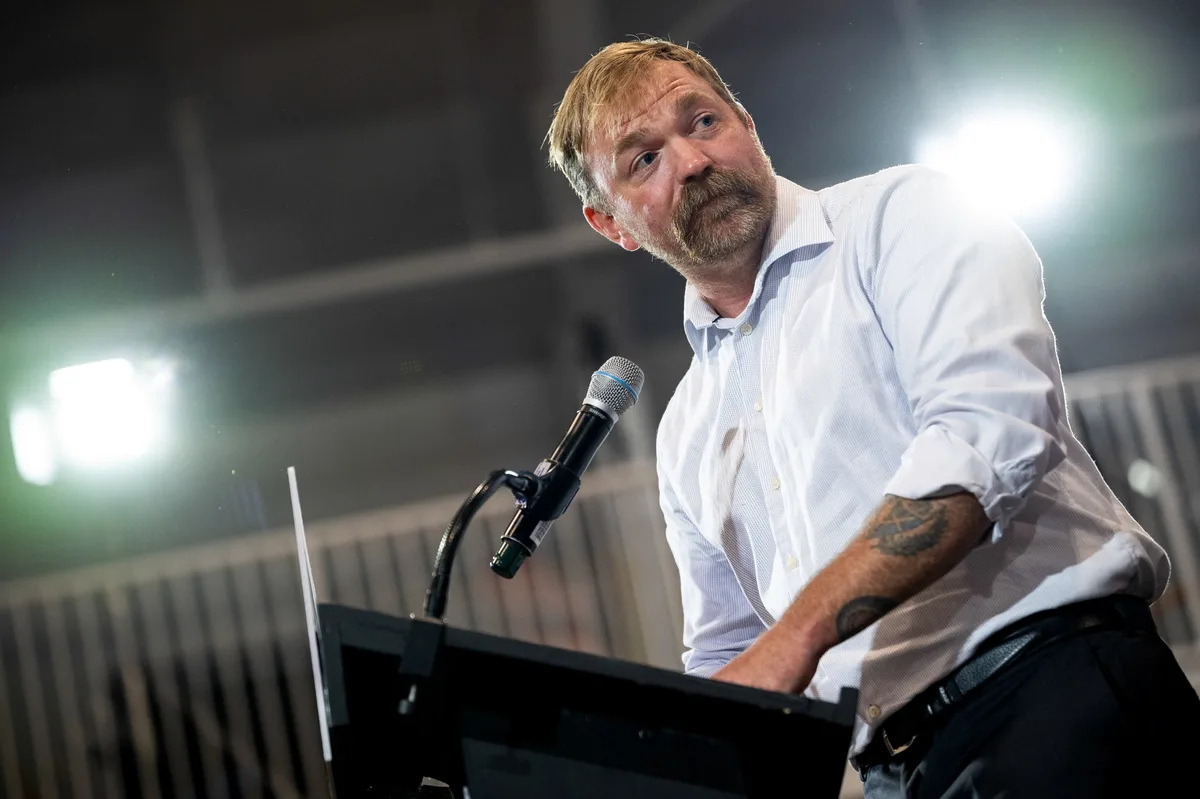
A Senate campaign in an undisclosed state has announced it is taking time to reflect on its path forward following a published sexual assault allegation — a familiar pause in modern political campaigns that often signals internal deliberation about whether to continue, suspend, or reshape a candidacy in the face of damaging press coverage.
The allegation was made by Jenny Racicot, a 41-year-old Maine resident, in a report published by POLITICO. Platner and his campaign have denied the accusations outright, pushing back on the account presented in the article. How forcefully a campaign's denial lands with voters and party stakeholders often depends on the swiftness and specificity of the response, neither of which has been fully detailed publicly at this stage.
Read more Iran Holds Strait of Hormuz Talks With Saudi Arabia and Oman →
The phrase "time to reflect" has become a recognizable signal in American political cycles — neither a full-throated continuation nor a suspension, it buys a campaign hours or days to gauge donor reactions, internal polling shifts, and whether the news cycle intensifies or fades. For down-ballot Senate races in particular, such allegations can be disproportionately damaging because name recognition is often still being built and first impressions carry lasting weight with voters.
The broader context here matters: accusations of this nature, when published by national outlets like POLITICO, almost immediately enter the opposition research ecosystem and can define a candidacy regardless of their ultimate adjudication. Campaigns that survive such moments typically do so through rapid, transparent communication — a test Platner's team now faces in real time.
Continue reading at US Top News and Analysis.