Record Beef Imports Aren't Lowering Your Cookout Costs. Here's Why.
The U.S. is importing beef at record levels, yet retail prices remain stubbornly high heading into the summer grilling season.
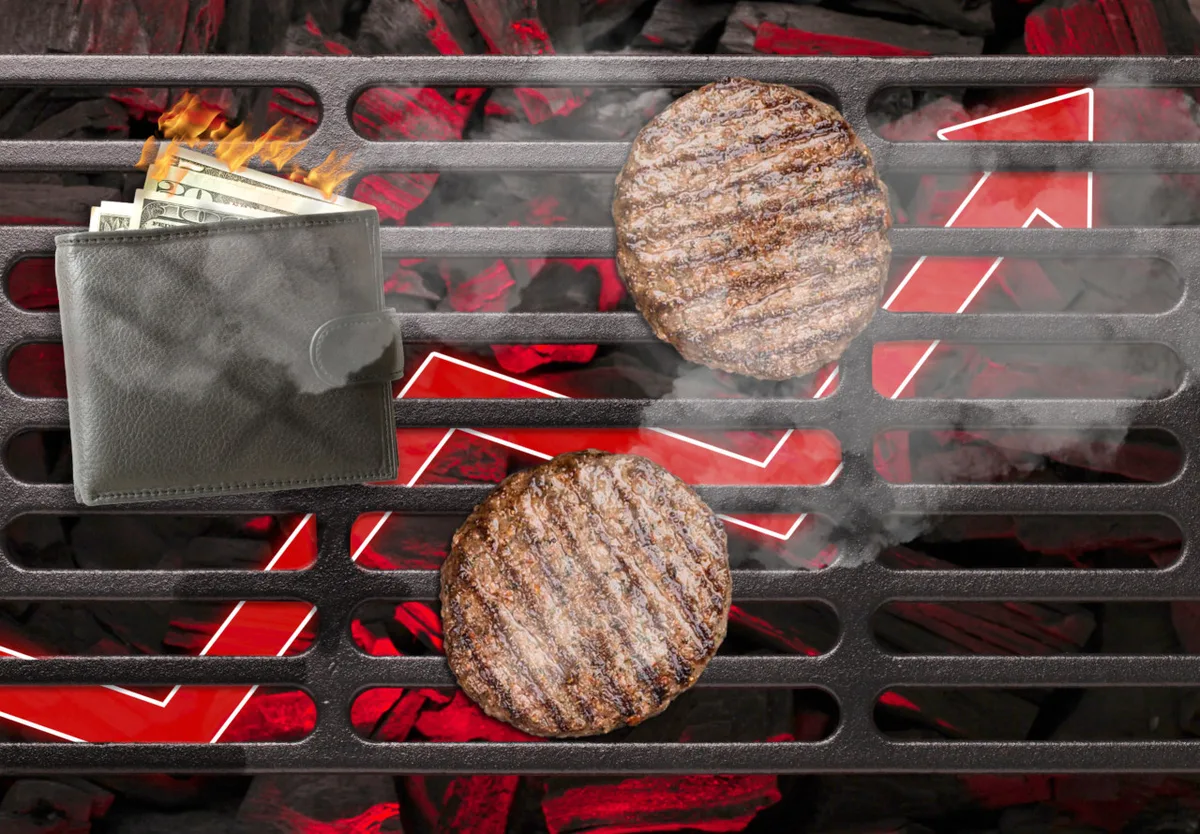
American consumers loading up grocery carts ahead of Fourth of July celebrations are facing a paradox: the United States is bringing in beef from abroad at record volumes, yet the price of a backyard burger has barely budged downward. The conventional economic logic — that more supply should ease prices — appears to be breaking down at the meat counter, and the reasons why reveal how structurally complex the American beef market has become.
The core tension is that imported beef and domestically produced beef do not occupy the same market lane. Much of what arrives from major suppliers is processed or manufacturing-grade beef, destined for ground beef and fast-food patties rather than the ribeyes and briskets that define a classic American cookout. Premium cuts remain largely a domestic product, and the U.S. cattle herd has been shrinking for years due to prolonged drought and elevated feed costs, tightening the supply of those higher-value animals at home.
Read more UK PM Burnham Scraps VAT on Energy Bills in First Policy Move →
That constrained domestic herd is arguably the single most important variable driving retail sticker shock. When ranchers reduce herd sizes — as they have been doing across drought-stricken plains states — the resulting cattle cycle takes years to reverse. Even if ranchers began aggressive rebuilding today, the lag between breeding decisions and market-ready cattle means consumers are unlikely to see meaningful relief at the butcher counter in the near term.
Washington's instinct to resolve high food prices by opening import pipelines wider may also carry political limitations. Domestic beef producers, a powerful agricultural lobby, have long resisted policies that would expose them to deeper foreign competition, particularly on the premium end. Trade agreements that might route more high-quality cuts into American stores face considerable institutional friction, leaving consumers essentially caught between a tight domestic supply and an import stream that doesn't fully substitute for what they actually want to buy.
The upshot for this summer's grilling season is sobering: record imports are a statistical reality, but they are not a functional substitute for the domestic production shortfall that is actually moving retail prices. Until the cattle cycle turns and herd rebuilding accelerates, the cost of firing up the backyard grill is likely to stay elevated well beyond Independence Day. Continue reading at MarketWatch.com