Record Beef Prices Haven't Killed America's Steak Habit
Beef prices have hit record highs, yet American consumers keep buying. Analysts point to the 'affordable luxury' effect as the key driver.
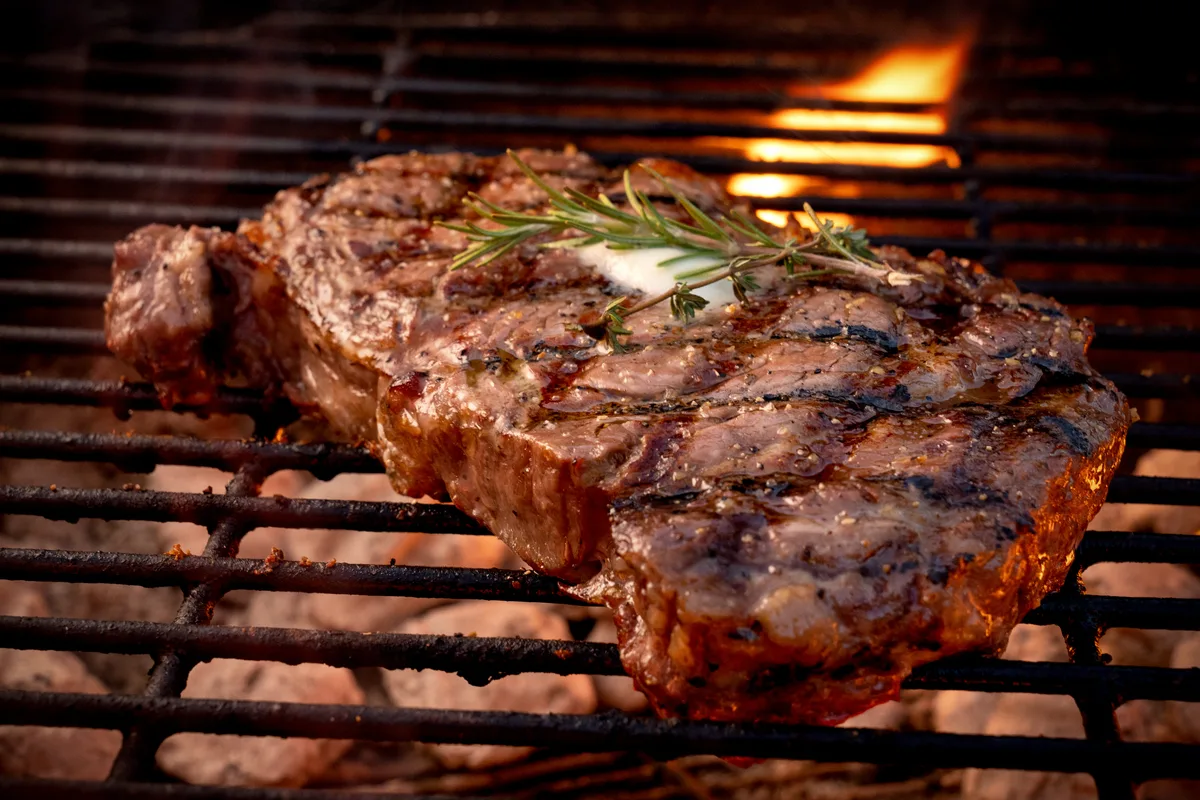
There is a revealing tension at the heart of the American grocery cart right now: beef prices have climbed to record levels, yet demand shows little sign of buckling. For economists and consumer behaviorists alike, the persistence of steak sales offers a window into how households are mentally reorganizing their spending under sustained price pressure.
The concept driving this resilience is what analysts call the 'affordable luxury' effect. Rather than abandoning beef entirely when budgets tighten, many consumers instead elevate it — reserving a quality cut for a Friday dinner at home rather than a restaurant outing, for instance. In this framing, a ribeye becomes a treat that feels both indulgent and economical compared to dining out, insulating beef demand from the kind of substitution behavior that might otherwise take hold.
Read more UK PM Burnham Scraps VAT on Energy Bills in First Policy Move →
This dynamic also reflects a broader psychological pattern in consumer spending: people tend to protect small, meaningful pleasures even when larger discretionary categories get cut. A premium steak purchased at the supermarket can serve as a controlled splurge — tangible, celebratory, and far cheaper than a comparable restaurant experience. That positioning gives beef a kind of demand stickiness that few other proteins enjoy.
What this means for markets and policymakers is significant. If beef demand remains structurally elevated despite record prices, supply-side pressures are unlikely to resolve quickly through normal market correction. Cattle herd rebuilding takes years, and consumer willingness to absorb high prices reduces the urgency producers face to expand supply rapidly. The result could be a prolonged period of elevated beef costs with no swift relief in sight for shoppers.
Continue reading at US Top News and Analysis.