Supreme Court Rejects Trump's Bid to Delay E. Jean Carroll Payout
The Supreme Court declined to review a jury verdict finding Trump liable for sexual abuse and defamation, clearing Carroll's path to collect damages.
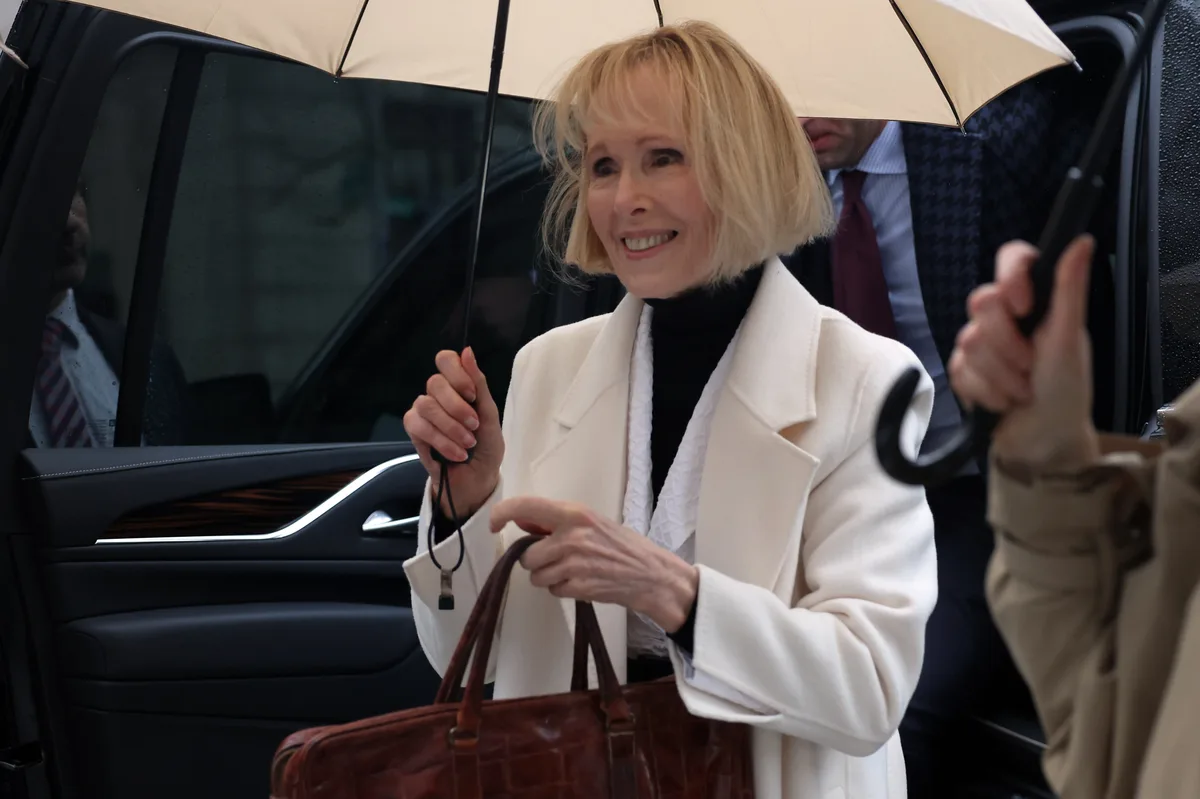
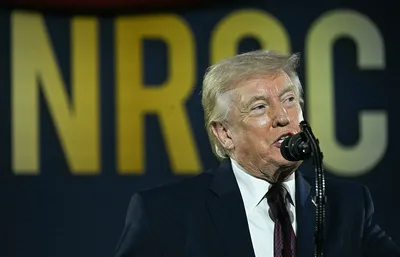
The U.S. Supreme Court on Monday refused to take up President Donald Trump's appeal of a jury verdict holding him liable for sexually abusing and defaming writer E. Jean Carroll, a significant legal setback for the president in a case that has wound through the courts for years. The court's decision not to intervene means the underlying verdict stands, removing a key procedural shield Trump had sought to delay an eventual financial reckoning.
The collision of interests is stark: Trump has pursued every available avenue to postpone or overturn the judgment, while Carroll has made clear through court filings that she intends to collect what she is owed without further delay. The Supreme Court's denial effectively narrows Trump's remaining legal options and puts Carroll in a stronger position to move toward enforcement of the award.
Read more Iran Holds Strait of Hormuz Talks With Saudi Arabia and Oman →
The case is notable not only for its legal complexity but also for its political weight. Trump, who returned to the White House in January, has consistently denied Carroll's account, and the prolonged litigation has become a flashpoint in broader debates about accountability, presidential immunity, and the pace of civil justice when one party holds high public office.
From a legal standpoint, a Supreme Court denial of certiorari is not a ruling on the merits — the justices are not affirming that the jury was correct — but it does leave the verdict intact and fully enforceable. That distinction matters little in practical terms for Carroll, whose legal team can now press forward with collection efforts. For Trump, the decision underscores the limits of using appellate delay as a long-term litigation strategy in civil proceedings.
Continue reading at US Top News and Analysis