Supreme Court Strips Job Protections for Independent Agency Heads
A landmark ruling lets presidents fire independent regulators at will, upending a 90-year-old precedent that shielded agency heads from political removal.
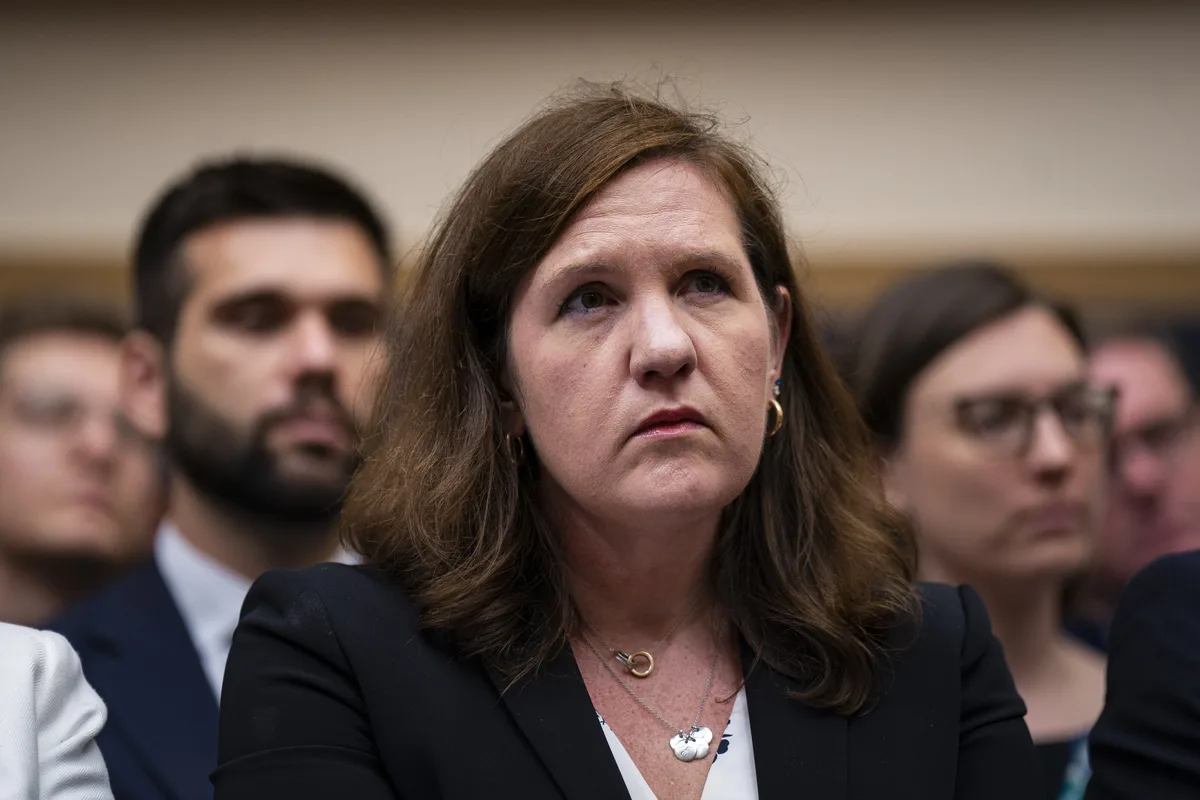
The Supreme Court has handed President Donald Trump a sweeping victory in a case that fundamentally reshapes the balance of power between the White House and federal regulatory agencies. The ruling allows the president to remove commissioners of independent agencies — such as the Federal Trade Commission — without being required to show cause, a protection those officials have long relied upon to insulate their work from political interference.
At the center of the dispute was Rebecca Slaughter, an FTC commissioner whom Trump sought to dismiss. Her case became the vehicle through which the Court overturned *Humphrey's Executor v. United States*, the 1935 precedent that established Congress's authority to limit a president's removal power over officials leading so-called independent agencies. That doctrine had stood for nine decades as a cornerstone of the modern administrative state.
Read more U.S. and Iran Set for New Qatar Talks After Weekend Tensions →
The practical consequences of this ruling are difficult to overstate. Independent agencies — including the FTC, the Securities and Exchange Commission, the National Labor Relations Board, and others — were designed specifically to operate at arm's length from the executive branch, shielded from the kind of political pressure that direct White House control would invite. Commissioners serving staggered terms were meant to provide policy continuity and expert judgment free from electoral cycles. That structural firewall has now been effectively dismantled.
For the Trump administration, the decision represents a significant consolidation of executive authority, consistent with a broader legal strategy built around the unitary executive theory — the view that the president must have direct, unimpeded control over all personnel exercising executive power. Critics argue the ruling risks converting what were meant to be expert-driven, independent bodies into extensions of the sitting president's political agenda, potentially destabilizing regulatory environments across finance, labor, and consumer protection.
The long-term institutional fallout will likely play out over years of litigation and legislative response, as Congress and future administrations grapple with what independent oversight can still mean in a post-*Humphrey's Executor* world. Continue reading at US Top News and Analysis.