Tehran Crowds Gather to Mourn Supreme Leader Khamenei
Iranians fill the streets of Tehran in public mourning following the death of Supreme Leader Ali Khamenei.

Vast crowds descended on Tehran's streets to mourn Supreme Leader Ali Khamenei, marking a moment of profound consequence for Iran and the broader Middle East. The public outpouring reflects the singular place Khamenei held at the apex of the Islamic Republic's political and religious hierarchy for more than three decades.
Khamenei's death represents one of the most significant leadership transitions in the Islamic Republic's history. Since succeeding Ayatollah Ruhollah Khomeini in 1989, Khamenei served as the ultimate arbiter of Iranian domestic policy, foreign affairs, and military strategy — including oversight of the country's nuclear program and its network of regional proxies.
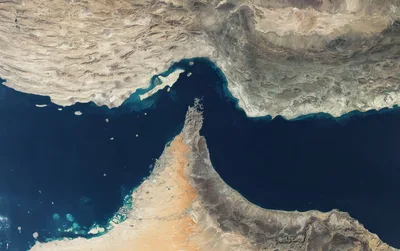
Read more Iran Holds Strait of Hormuz Talks With Saudi Arabia and Oman →
The scale of public mourning visible in Tehran's streets carries its own political weight. In a state where mass gatherings are carefully managed, the imagery of crowds filling the capital serves both a ceremonial and a legitimizing function for the system Khamenei leaves behind — signaling continuity even as succession questions remain unresolved.
The transition now facing the Islamic Republic is structurally complex. Iran's Assembly of Experts holds constitutional authority to select the next Supreme Leader, a process that will likely unfold under intense internal negotiation among clerical factions, security establishment figures, and political elites. Analysts have long viewed the succession question as one of the most consequential and unpredictable variables in Iranian politics.
How Iran navigates this moment — and who ultimately emerges as the next Supreme Leader — will shape its relationships with regional adversaries, global powers, and its own restive population for years to come. Continue reading at Reuters.