Three Men Acquitted in Murder of Journalist Lyra McKee
A Northern Ireland court acquitted three men in the 2019 killing of journalist Lyra McKee, shot during a Derry riot.
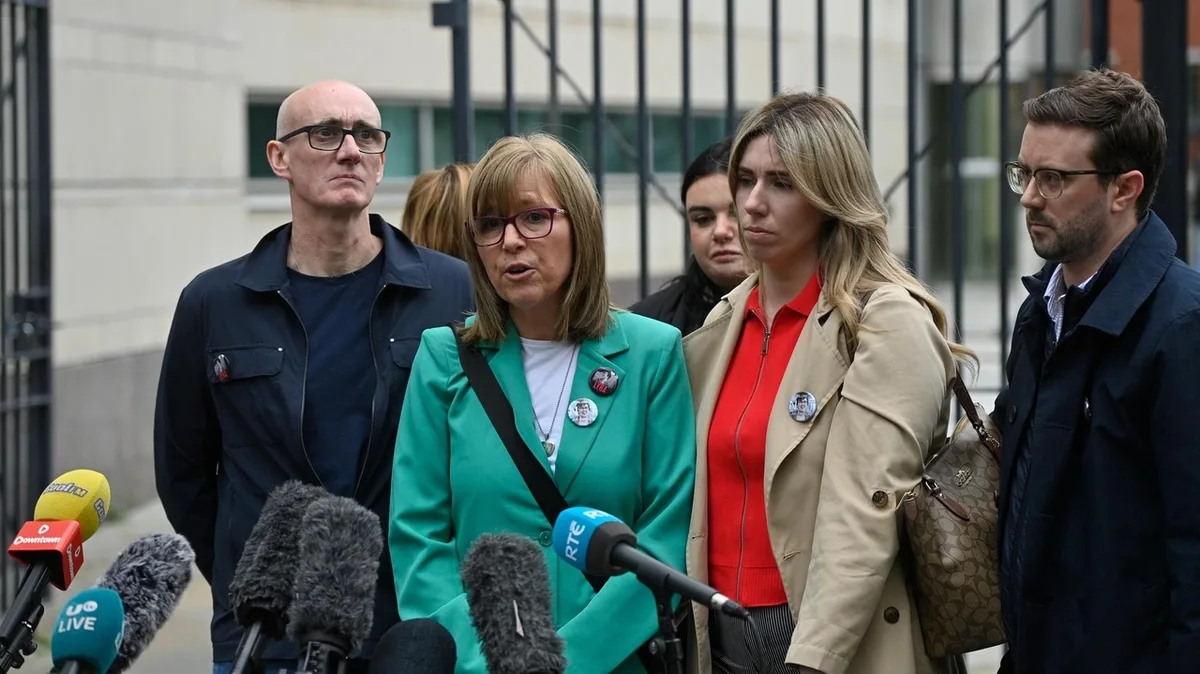
A Northern Ireland court has acquitted three men charged in connection with the 2019 killing of journalist Lyra McKee, whose death during a riot in Derry drew widespread grief and renewed attention to the fragile state of peace in the region. McKee, 29, was shot while observing unrest in the Creggan area of the city on the night of April 18, 2019, becoming one of the most prominent journalists killed in the United Kingdom in recent decades.
The verdict marks a significant and painful moment for press freedom advocates and McKee's family, who had waited years for accountability. McKee was covering the disturbances as a journalist when she was struck by a bullet fired amid the chaos. The New IRA, a dissident republican paramilitary group, claimed responsibility for her death shortly after the shooting, calling it a tragic mistake.
Read more Iran Holds Strait of Hormuz Talks With Saudi Arabia and Oman →
The acquittals underscore the persistent difficulty of securing convictions in cases tied to paramilitary violence in Northern Ireland, even decades after the 1998 Good Friday Agreement formally ended the Troubles. The region's complex social geography, where witness cooperation with police remains culturally fraught in certain communities, continues to complicate prosecutions involving legacy violence and its modern echoes.
McKee's death prompted an outpouring of mourning that transcended political divides, with politicians from across Ireland and the United Kingdom attending her funeral in Belfast. Her killing was widely seen as a symbol of the unfinished business of the peace process — a reminder that splinter paramilitary factions have never fully disappeared, and that journalists working in conflict-adjacent environments remain at risk even in nominally post-conflict societies.
The case now closes without a conviction, leaving unresolved questions about justice and accountability that will likely reverberate in ongoing debates about how Northern Ireland reckons with both its past and its present security challenges. Continue reading at newsday (the associated press).