Trump Acknowledges Fed Contact With Warsh, Denies Routine Calls
President Trump confirmed recent communication with Fed Chair Warsh but pushed back on claims of regular contact raising central bank independence concerns.
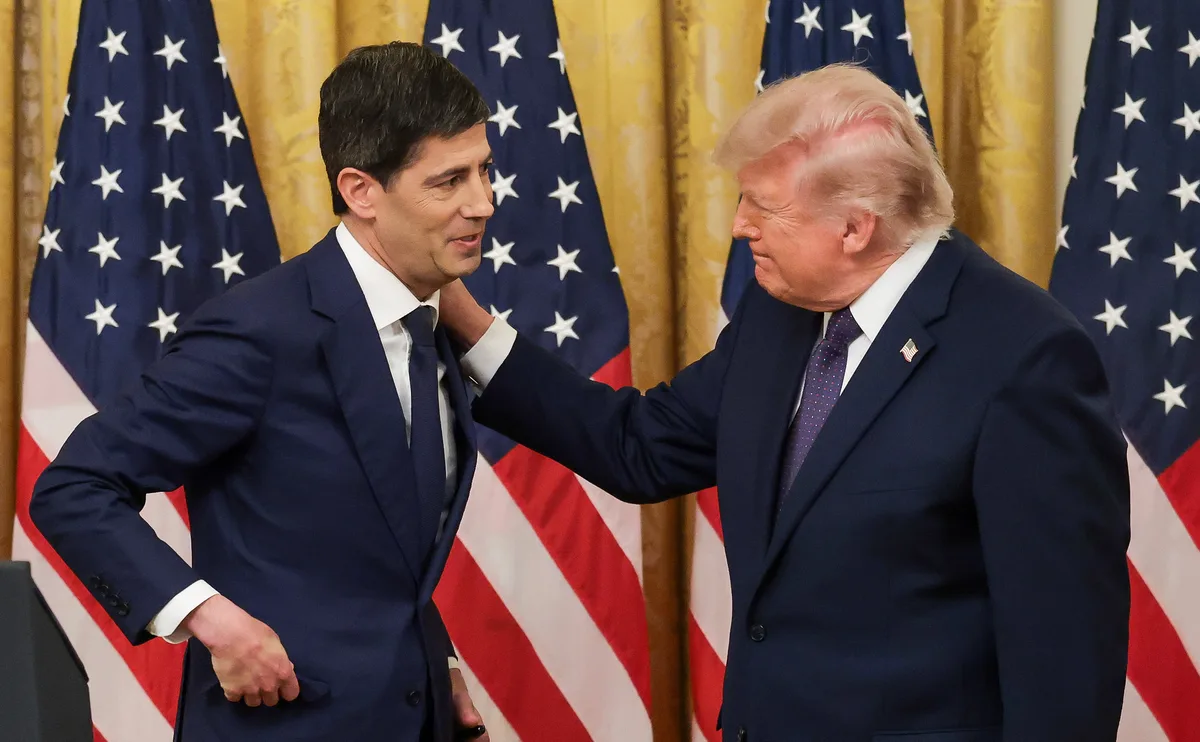
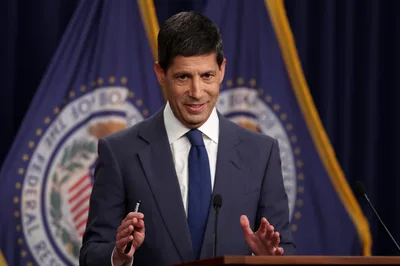
President Donald Trump acknowledged that he has recently spoken with Federal Reserve Chairman Kevin Warsh, but moved to dispel the notion that such conversations occur on a routine basis. The admission comes amid heightened scrutiny over the degree to which the White House may be exerting — or attempting to exert — influence over the nation's central bank, an institution historically insulated from executive pressure for good reason: monetary policy decisions hinge on credibility, and credibility depends on perceived independence.
The distinction Trump is drawing — between occasional contact and regular communication — matters enormously in central banking circles. Even informal, infrequent conversations between a sitting president and a Fed chair can raise questions about whether rate decisions or policy signals are being shaped by political considerations rather than economic data. Markets, which price in Fed independence as a baseline assumption, tend to react poorly to any suggestion that the firewall is eroding.
Read more Why Wall Street's Inflation Optimism May Be Misplaced →
The concern is not merely theoretical. Historically, presidential interference with the Fed — most notably Richard Nixon's pressure on Arthur Burns in the early 1970s — has contributed to damaging inflationary spirals. The institutional norm of arm's-length separation between the White House and the Fed evolved precisely because the two institutions carry fundamentally different mandates: one responds to voters and political cycles, the other to price stability and employment data measured over years, not election calendars.
Trump's denial of regular calls may be intended to reassure financial markets and international observers that Fed independence remains intact. Whether that reassurance lands will likely depend on how Warsh navigates his role going forward and whether future policy decisions appear consistent with the Fed's stated data-driven framework rather than any political timetable. The episode serves as a reminder that in modern monetary policy, perception and reality carry nearly equal weight.
Continue reading at US Top News and Analysis.