Trump Declines to Sign Bipartisan Housing Bill Into Law
Trump says he won't sign the housing bill passed by Congress in June, meaning it could become law automatically without his signature.
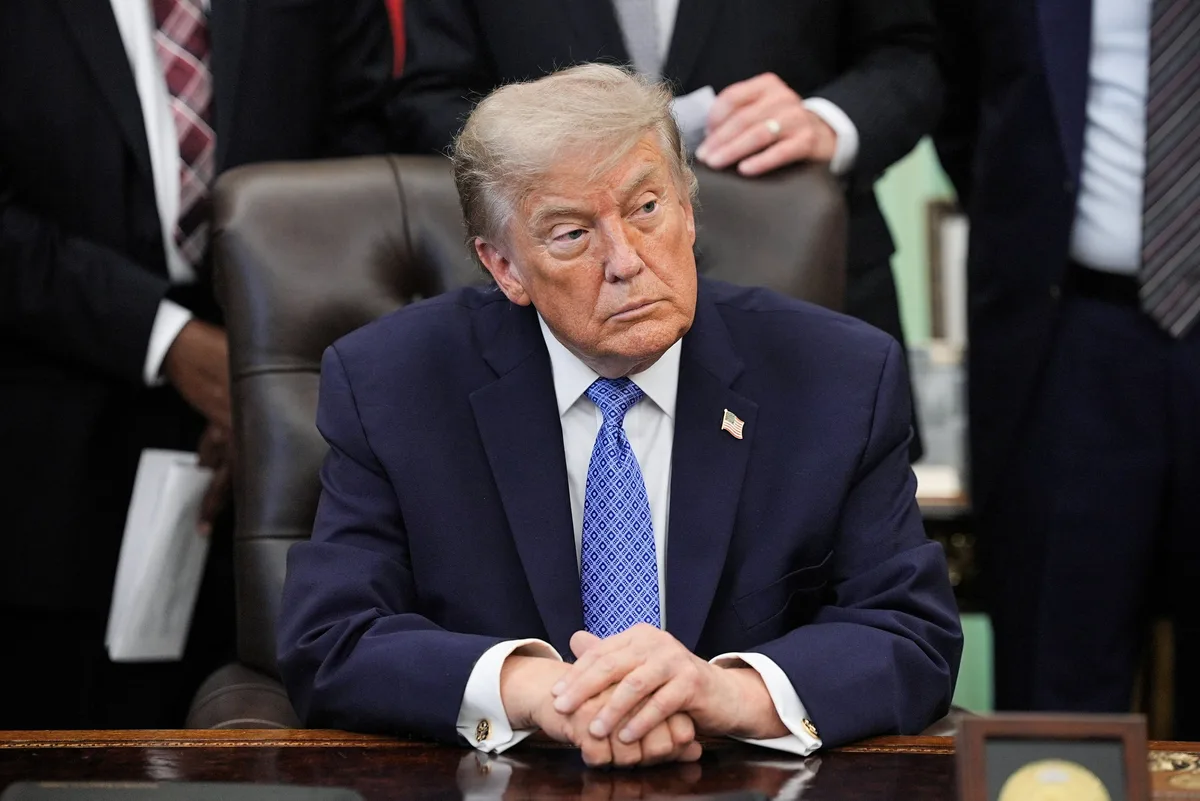
President Donald Trump has signaled he will not sign a bipartisan housing bill that cleared Congress in June, a move that sets up an unusual constitutional scenario in which the legislation could nonetheless become law without his formal approval. Under the U.S. Constitution, if a president neither signs nor vetoes a bill within ten days while Congress remains in session, it automatically becomes law — a procedural quirk that could render Trump's reluctance largely symbolic.
The bill earned broad bipartisan backing in Congress, reflecting widespread alarm over surging home prices and the growing footprint of institutional investors in the residential real estate market. Lawmakers from both parties argued that large-scale corporate buying had squeezed out first-time and middle-class homebuyers, contributing to affordability pressures felt across the country.
Read more Iran Holds Strait of Hormuz Talks With Saudi Arabia and Oman →
Trump's decision not to sign — rather than issue a formal veto — is a notable political calculation. A veto would require Congress to mount an override effort, a high bar demanding two-thirds support in both chambers. By simply withholding his signature, he avoids a direct confrontation with lawmakers from his own party who supported the measure, while still distancing himself from a policy he apparently does not fully endorse.
The episode underscores the complex politics of housing in America, where affordability has become one of the most acute economic anxieties for voters. Institutional investment in single-family homes has drawn scrutiny from across the ideological spectrum, making it one of the rare policy areas capable of uniting progressive and conservative legislators. Whether the bill ultimately takes effect automatically or faces further political maneuvering will be closely watched by housing advocates and real estate markets alike.
Continue reading at US Top News and Analysis