Trump's Foreign Real-Estate Licensing Income Nearly Doubled in Office
New disclosures show Trump's overseas licensing revenues surged, now including deals in Qatar and Romania, raising fresh ethics alarms.
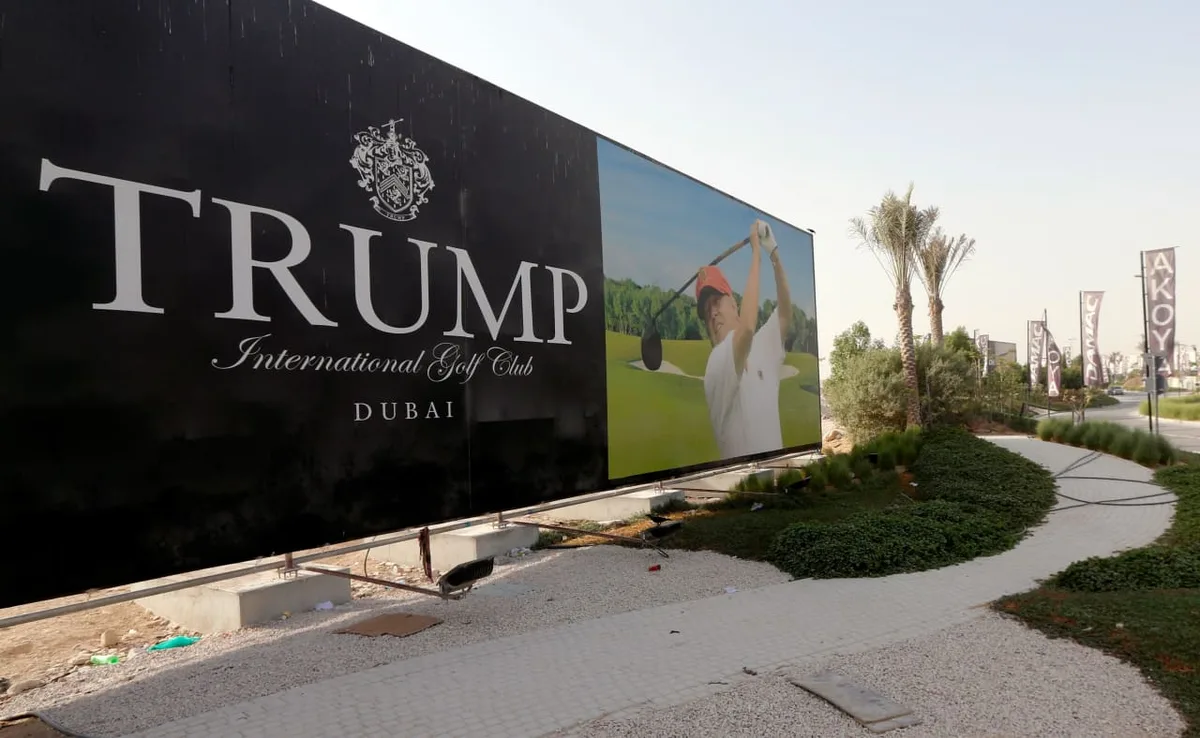
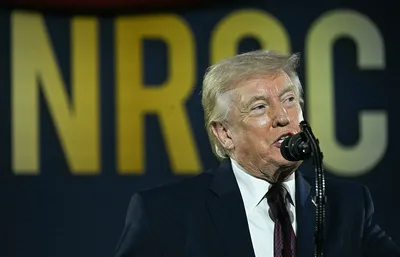
President Donald Trump's income from real-estate licensing arrangements in foreign countries has nearly doubled, according to new financial disclosures, with the portfolio now expanded to include deals in Qatar and Romania — two nations with significant geopolitical relevance to current U.S. foreign policy. The growth underscores how the president's personal business interests continue to evolve while he holds the nation's highest office.
The figures represent licensing fees — payments Trump receives in exchange for attaching his name and brand to real-estate projects developed by third parties overseas. Unlike direct ownership stakes, licensing arrangements can be harder to trace and evaluate for conflicts of interest, yet they still create financial relationships between a sitting president and foreign actors who may have interests before the U.S. government.
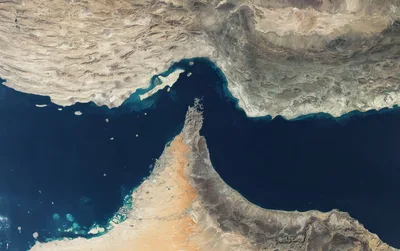
Read more Iran Holds Strait of Hormuz Talks With Saudi Arabia and Oman →
At least one prominent ethics watchdog has raised what it describes as "grave concerns about the president doing business in foreign countries." The concern is not merely procedural: Qatar, for instance, is both a key U.S. military partner in the Middle East and a nation that has been the subject of intense American diplomatic activity, while Romania sits on NATO's eastern flank amid the ongoing war in Ukraine. Financial entanglements in either country could complicate the perception — if not the reality — of arms-length diplomacy.
The broader pattern reflects a tension that has defined both of Trump's terms in office: the difficulty of maintaining a clear separation between the presidency and a sprawling private business empire that operates internationally. Ethics experts have long argued that licensing deals, precisely because they are less visible than direct ownership, deserve heightened scrutiny when the licensor happens to be the commander in chief. The near-doubling of such income makes that argument harder to dismiss.
Continue reading at MarketWatch.com