Trump's Iran 'Deal' Talk Signals De-escalation, Not Resolution
Trump claims Iran reached out seeking a deal, but deep divisions on nuclear issues and regional security remain unresolved after three weeks of talks.
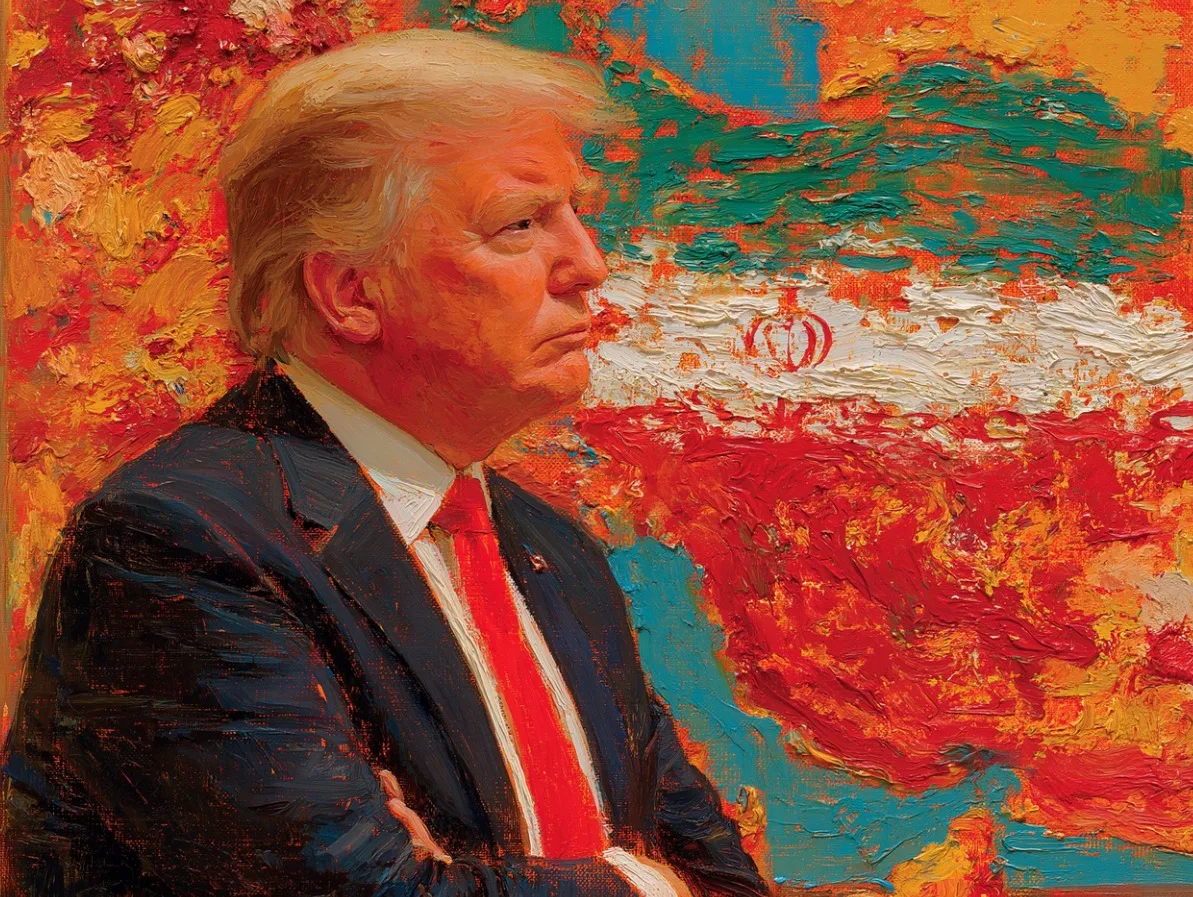
President Trump publicly reiterated this week that Iran had contacted the United States expressing interest in reaching a deal — language that closely mirrors statements he made during earlier phases of heightened tension between the two countries. For seasoned observers of Trump's diplomatic style, the phrasing carries a familiar cadence: it almost invariably surfaces at moments when both sides have escalated to a threshold neither wants to cross, and it tends to signal that Washington is looking for an off-ramp rather than a confrontation.
This rhetorical pattern has appeared before — during ceasefire negotiations, during the tariff wars, and during the extended back-and-forth with China over trade. Trump's framing consistently casts the opposing side as the party eager to negotiate, a posture that allows him to appear dominant while quietly seeking compromise. Markets have historically read this kind of language as a de-escalation cue, and in the near term that interpretation may again provide some relief to risk sentiment.
Read more Iran Holds Strait of Hormuz Talks With Saudi Arabia and Oman →
But the optimism has real limits. Three weeks into a 60-day window that both sides agreed to use for working out a framework, there is no visible progress on the core issues. The nuclear and uranium enrichment question — arguably the most consequential obstacle — remains a chasm neither side has found a bridge for. Meanwhile, Iran's posture toward the Strait of Hormuz continues to inject uncertainty into global energy markets, and Israeli military activity in Lebanon adds further instability to an already volatile regional picture.
The practical question is whether a memorandum of understanding, even if eventually signed, can hold under those conditions. A ceasefire arrangement that does not resolve the underlying strategic competition between Washington and Tehran is, at best, a pause — not a settlement. Trump's deal-making rhetoric may calm headlines in the short run, but the structural gap between what the US demands on nuclear non-proliferation and what Iran is willing to concede has not narrowed in any meaningful way that has been publicly disclosed.
For markets and policymakers alike, the signal worth watching is not what Trump says about who called whom, but whether the two sides can move from theatrical positioning to substantive compromise before the 60-day clock runs out. Continue reading at Forexlive.