Trump Targets Canada With Tariffs on Alcohol, Dairy, and Autos
New duties of up to 50% hit politically sensitive Canadian sectors mid-USMCA review, raising the odds of swift retaliation from Ottawa.
The White House has moved to impose fresh tariffs on Canadian alcohol, dairy products, and motor vehicles, citing what it characterizes as discriminatory treatment of American commerce in each sector. A separate administration statement confirmed an additional 50% levy on a broader category of Canadian goods — a significant escalation arriving at a particularly sensitive moment in the bilateral trade relationship.
The timing is not incidental. On July 1, Washington formally declined to auto-renew the US-Mexico-Canada Agreement, instead triggering an annual review process. That decision already introduced a degree of sustained uncertainty for North American exporters; the new tariff announcements deepen it. Rather than functioning as a one-off bargaining chip, the move signals that the administration intends to wield tariffs as recurring leverage well beyond any single negotiating deadline.
Read more Iran Holds Strait of Hormuz Talks With Saudi Arabia and Oman →
The sectors targeted carry outsized political weight on both sides of the border. Canadian provinces have maintained bans on American alcohol imports since 2025 — a persistent US trade grievance that never fully resolved despite earlier de-escalation efforts. Dairy has long been a flashpoint under USMCA, while autos represent the backbone of deeply integrated North American supply chains. Disrupting auto sector flows carries consequences that ripple well beyond any single factory floor, touching parts suppliers, logistics networks, and employment in both countries.
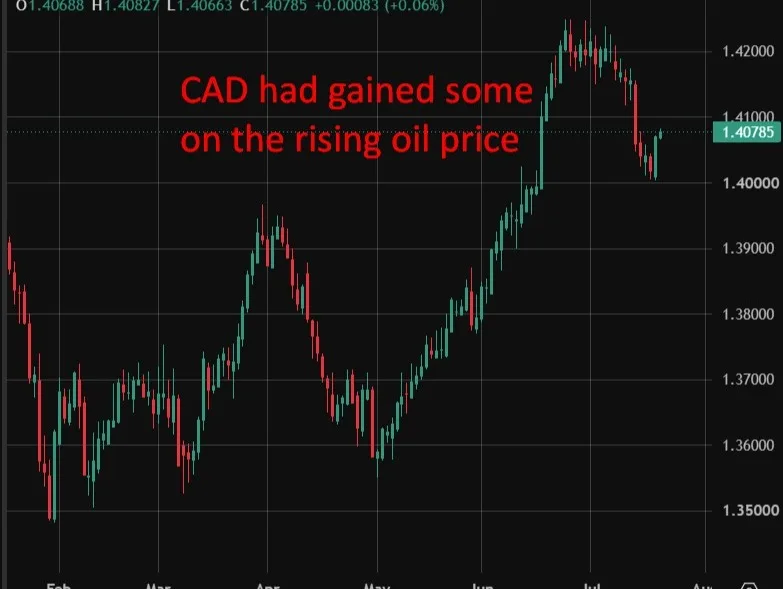
For currency and equity markets, the key question is how Ottawa responds and how quickly. A retaliatory package targeting American exports could pressure the Canadian dollar and create further volatility in cross-border auto equities. The structural integration of North American manufacturing means there is no clean surgical strike — tariffs in this space tend to create collateral damage on the imposing side as well. Analysts will be watching whether Canada escalates symmetrically or seeks to isolate specific US political constituencies through its counter-measures, a tactic Ottawa has deployed effectively before.
Continue reading at Forexlive.