U.S. Revokes Iran Oil Sanctions Waiver After Tanker Attacks
Washington pulls the authorization allowing Iranian oil sales, escalating pressure on Tehran following a wave of tanker attacks in the region.
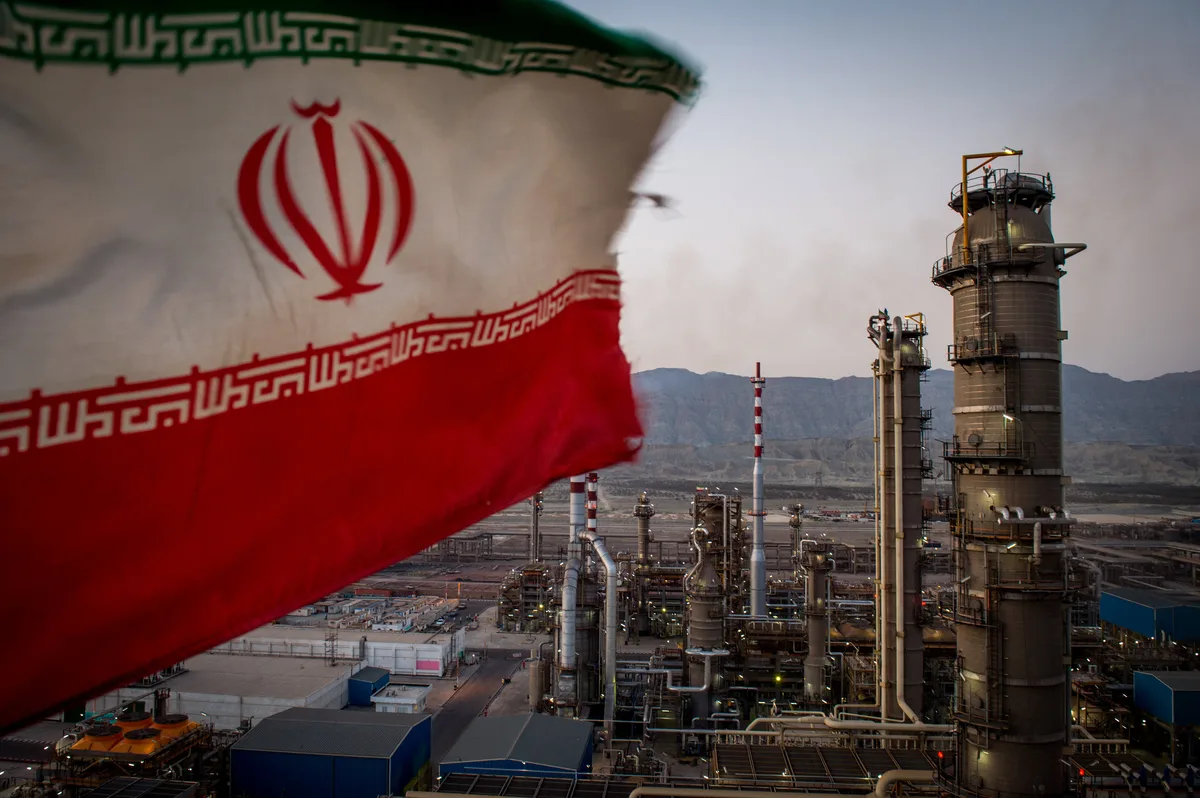
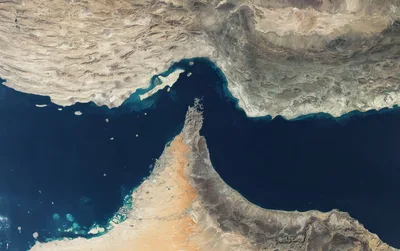
The United States has revoked a sanctions waiver that had permitted Iranian oil sales, marking a sharp reversal in the brief diplomatic opening that followed a landmark interim agreement between Washington and Tehran. The Treasury Department had suspended those sanctions through August 21 as part of a deal that reopened the Strait of Hormuz to international shipping — one of the world's most critical oil transit chokepoints. The decision to pull that authorization signals that the fragile détente has broken down, at least in part, under the weight of renewed hostilities at sea.
The tanker attacks that triggered the revocation underscore how quickly Middle East shipping lanes can shift from a diplomatic asset to a flashpoint. The interim Hormuz deal had represented a rare moment of practical cooperation between two governments that remain deeply adversarial; its unraveling suggests that neither side has yet found durable mechanisms to enforce the terms of their understanding. For markets already sensitive to supply disruptions, the collapse of the waiver framework reintroduces a meaningful risk premium into crude pricing.
Read more Iran Holds Strait of Hormuz Talks With Saudi Arabia and Oman →
The policy reversal also illustrates the limits of short-term sanctions relief as a stabilizing tool. By tying the waiver explicitly to a temporary date — August 21 — Treasury had created a countdown clock that left little room for gradual confidence-building between the two sides. Now, with the authorization gone, Iran faces renewed financial pressure on its oil exports at the same moment that tensions over maritime security are once again intensifying.
The broader geopolitical calculus remains unsettled. Whether the revocation is intended as a punitive measure, a negotiating lever, or a permanent return to maximum-pressure policy will likely determine how Tehran responds and how global energy markets price in the uncertainty ahead. Continue reading at US Top News and Analysis.