U.S. Strikes Iran Amid Ceasefire Talks Over Hormuz Tensions
Washington launched strikes against Iran even as both nations were engaged in active negotiations, raising serious questions about the diplomatic process.
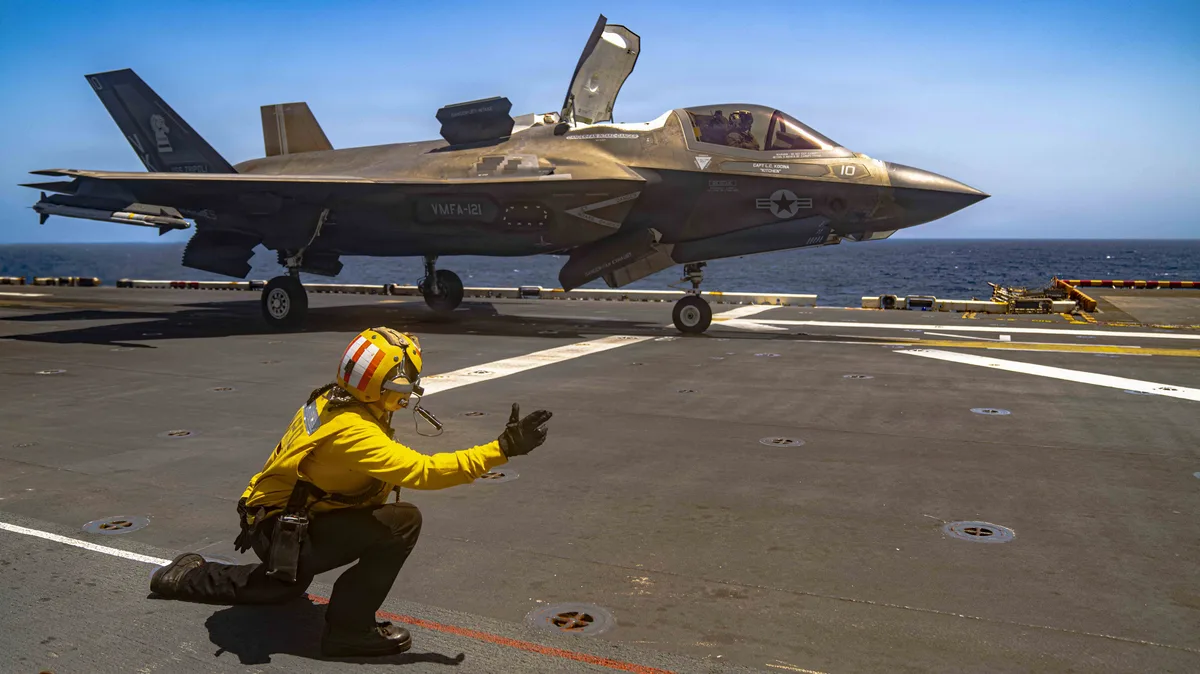
The United States carried out military strikes against Iran following accusations by President Donald Trump that Tehran had violated the terms of an agreed ceasefire in the Strait of Hormuz — one of the world's most strategically critical waterways. The attack unfolded against a deeply contradictory backdrop: both nations were nominally engaged in an ongoing 60-day period of no hostilities, a framework designed to allow diplomacy to proceed without military escalation.
The timing of the strikes raises profound questions about the durability of the ceasefire arrangement and what, precisely, constitutes a violation serious enough to justify military action during active negotiations. Historically, ceasefire frameworks have depended on mutual restraint and agreed-upon enforcement mechanisms; unilateral military responses during such windows tend to destabilize the very diplomatic channels they are meant to protect.
Read more U.S. Strikes Iran After Cargo Ship Attack in Strait of Hormuz →
The Strait of Hormuz is the chokepoint through which roughly one-fifth of the world's oil supply transits, making any military confrontation in the region an immediate concern for global energy markets and allied governments alike. A breakdown in U.S.-Iran talks — or the perception of one — could send ripple effects well beyond the two nations directly involved.
What remains unclear from current reporting is the precise nature of Iran's alleged ceasefire violation, the scale and targets of the U.S. strikes, and how Tehran plans to respond. Each of those variables will shape whether this episode proves to be a contained provocation or the beginning of a sharper military escalation between two countries that have spent decades trading confrontation for diplomacy and back again.
Continue reading at US Top News and Analysis.