UN Maritime Agency Rejects Hormuz Transit Fees Amid Rising Tensions
The IMO has pushed back against proposed Hormuz transit fees as Iran attacks on commercial shipping escalate pressure on global trade routes.
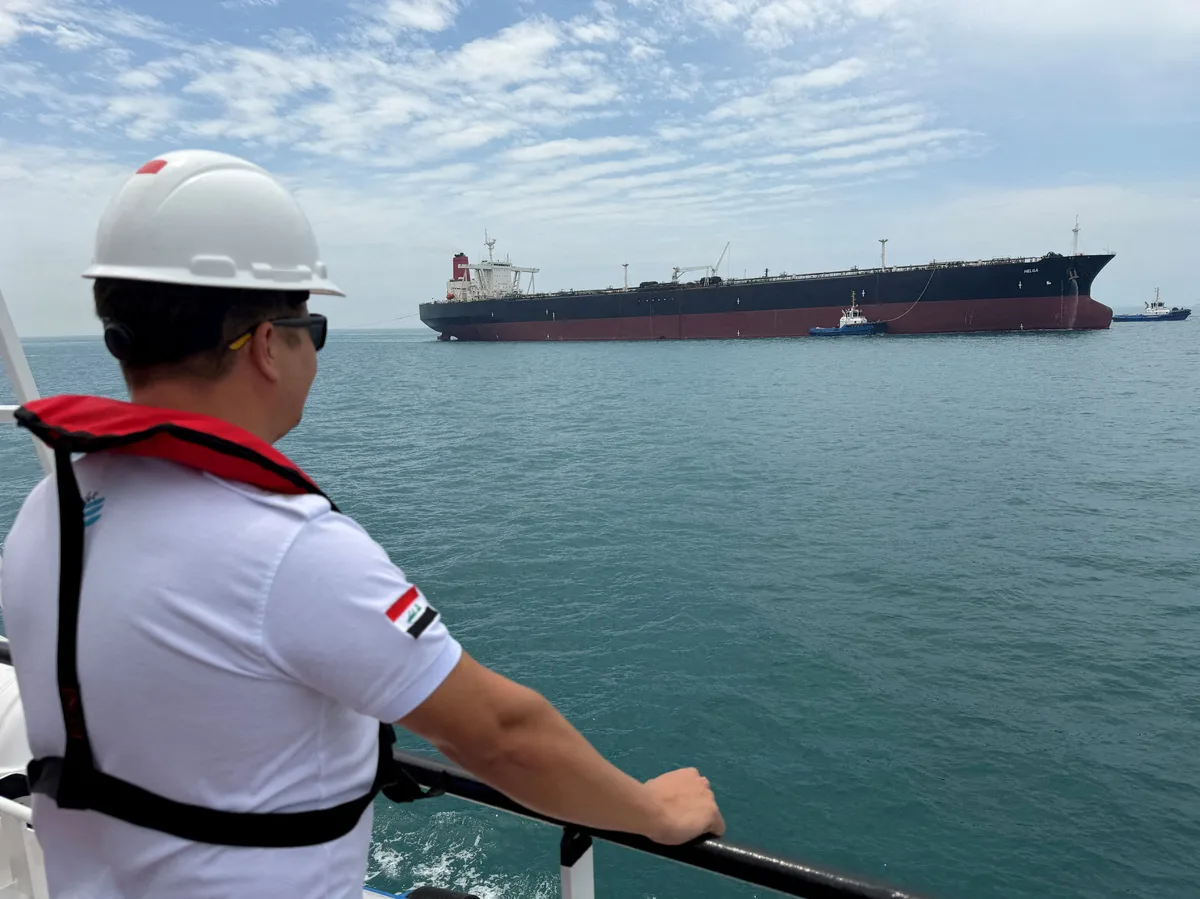
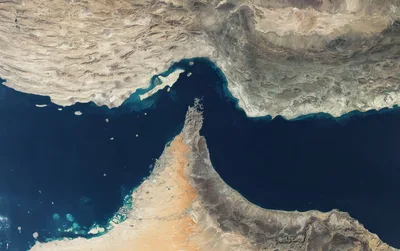
The International Maritime Organization has taken a clear stance against levying transit fees on vessels passing through the Strait of Hormuz, a move that comes as the Trump administration floated the idea of charging ships for protection in one of the world's most strategically vital waterways. The IMO's opposition reflects a long-standing principle in international maritime law: freedom of navigation through international straits is a right, not a service to be invoiced.
The backdrop to this dispute is a sharp deterioration in security conditions around Hormuz. Iran has reportedly attacked multiple commercial vessels transiting the strait over the past week, raising the specter of a broader disruption to global oil and commodity flows. The strait serves as the chokepoint through which a significant share of the world's seaborne crude oil passes, making any sustained instability there a systemic risk to energy markets worldwide.
Read more Iran Holds Strait of Hormuz Talks With Saudi Arabia and Oman →
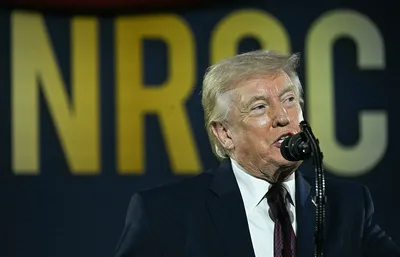
Trump's framing of maritime security as a kind of protection arrangement — where ships pay for safe passage — represents a significant rhetorical departure from the traditional American posture of providing open-ocean security as a global public good. Critics argue this transactional approach could undermine the multilateral frameworks that have governed international shipping for decades, potentially inviting other regional powers to assert similar leverage over their adjacent waters.
The IMO's rebuttal underscores the tension between unilateral executive posturing and established international norms. By opposing the fee structure, the agency is signaling that the rules-based maritime order should not be subordinated to bilateral political arrangements, no matter how pressing the security environment becomes. Whether Washington can reconcile its protection-money framing with the IMO's legal objections remains an open and consequential question for global commerce.
Continue reading at US Top News and Analysis