US Reinstates Iran Oil Sanctions After Tanker Attacks
Washington reimposes sanctions on Iranian crude exports following attacks on LNG and oil tankers, escalating pressure on Tehran.

The United States has moved to reinstate sanctions targeting Iranian oil sales, a significant policy escalation that follows a series of attacks on liquefied natural gas and oil tankers in critical maritime corridors. The decision signals Washington's intent to deploy economic leverage as a direct response to what officials characterize as Iranian-linked aggression against global energy infrastructure.
The reimposition of these measures reflects a broader strategic calculus: by cutting off or severely restricting Tehran's crude export revenues, the U.S. aims to constrain the financial resources that Iran's government relies on to fund both its domestic priorities and its regional influence operations. Oil export income remains one of the Iranian economy's most vital lifelines, making sanctions on that sector among the most consequential tools in Washington's diplomatic arsenal.
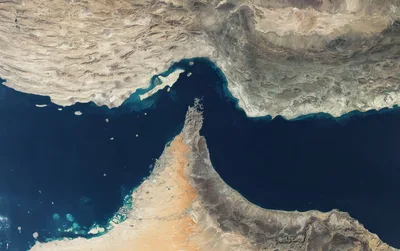
Read more Iran Holds Strait of Hormuz Talks With Saudi Arabia and Oman →
The tanker attacks that preceded this move have heightened anxiety across global shipping lanes, particularly for energy traders and insurers who price geopolitical risk into every cargo moving through vulnerable chokepoints. Any sustained disruption to tanker traffic carries the potential to tighten global oil supply expectations, even if actual output volumes remain stable in the near term. Markets have increasingly had to account for the premium attached to Persian Gulf and adjacent route exposure.
For Iran, the renewed sanctions compound already considerable economic pressure, limiting its ability to sell crude to buyers willing to operate outside Western financial systems — a network that has included certain Asian refiners. How effectively these measures are enforced, and whether allied nations join in tightening the economic vise, will determine their ultimate impact on Tehran's behavior and on global energy flows.
Continue reading at Reuters.