USPS Raises Stamp Prices Again: A Five-Year Pattern of Hikes
The postal service's latest rate increase takes effect July 12, marking the eighth hike in five years as mailing costs continue to climb.
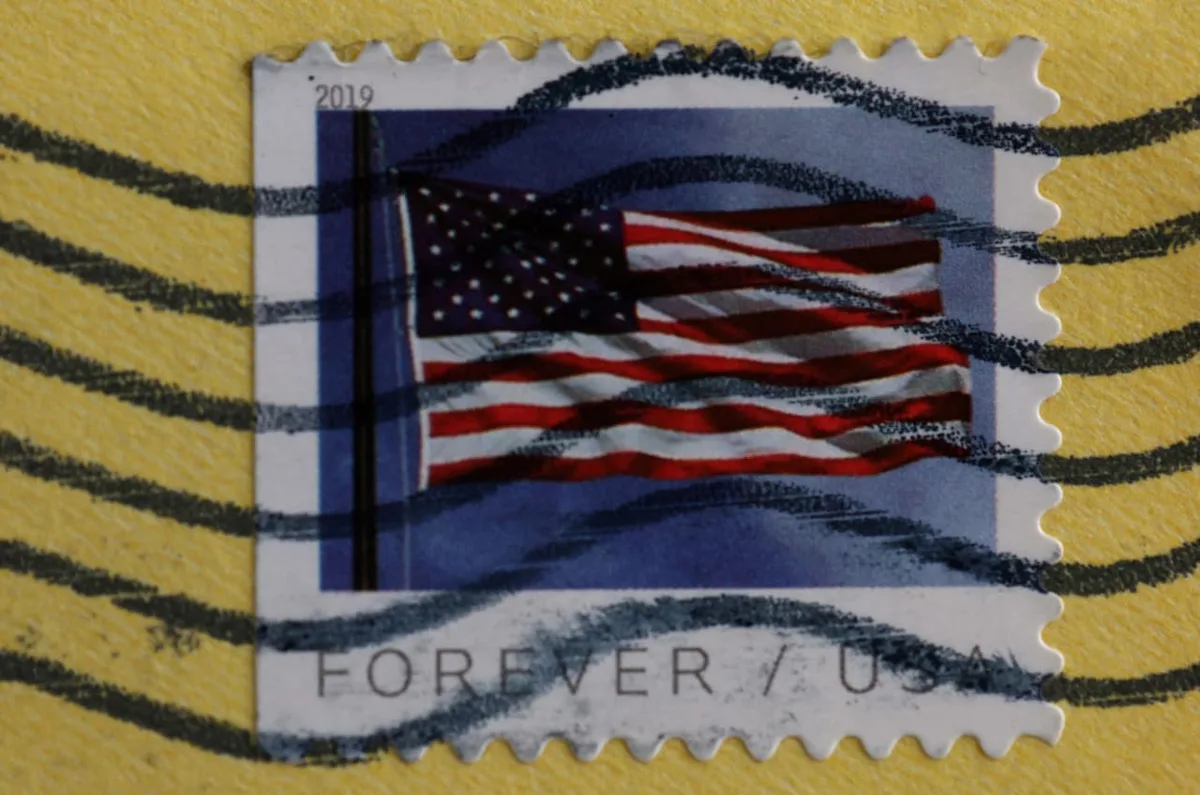
The United States Postal Service is raising the price of a first-class stamp again this weekend, with the new rate taking effect on July 12. This marks the eighth postage price increase in just five calendar years, a pace that stands out even against a broader backdrop of post-pandemic inflation and rising operational costs across the American economy.
For consumers and small businesses that still depend on physical mail — whether for billing, marketing, or legal correspondence — the cumulative effect of repeated hikes is more than a nuisance. Each incremental increase compounds over time, and a pattern of eight adjustments across five years suggests this is not a one-time correction but a structural repricing of a government-run service struggling to remain solvent in the digital era.
Read more UK PM Burnham Scraps VAT on Energy Bills in First Policy Move →
The USPS has long operated under financial strain, caught between a congressional mandate to pre-fund retiree benefits, declining first-class mail volume, and rising labor and fuel costs. Rate increases are one of the few levers the agency can pull to shore up revenue, since it cannot simply raise capital from equity markets the way private competitors can. Each hike, then, is less a surprise and more a symptom of an institution still searching for long-term financial footing.
What makes the current moment notable is the frequency. While inflation has eased across many sectors of the economy, postal rates have continued climbing at a steady clip, raising questions about whether the USPS's cost structure — rather than just external price pressures — is the primary driver. For now, Americans should expect the stamp on their next envelope to cost more than the one they bought just a few years ago, and perhaps again before long.
Continue reading at MarketWatch.com