Warsh Vows Fed 'Regime Change' to Eliminate Inflation Burden
Fed chair nominee Kevin Warsh pledged a fundamental shift in monetary policy, framing persistent inflation as a 'tax' on ordinary Americans.
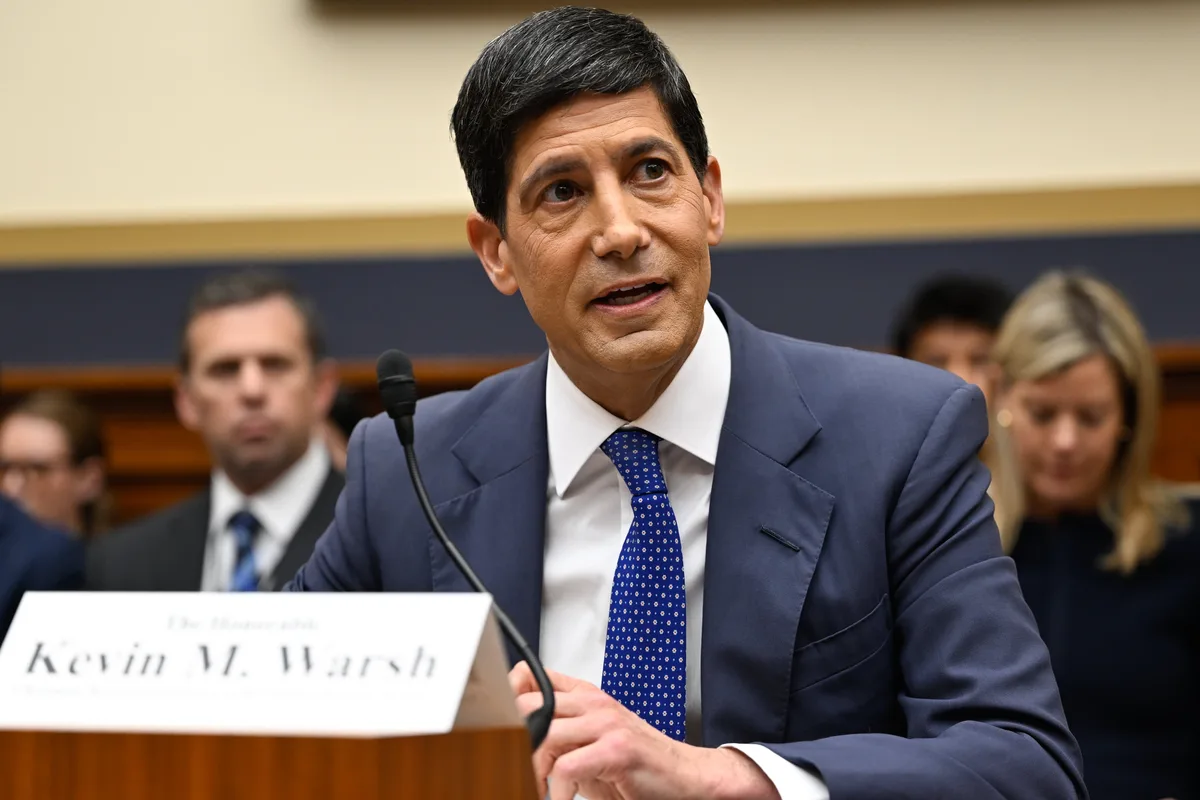
Kevin Warsh, President Trump's nominee to lead the Federal Reserve, used pointed language Tuesday to signal that a Warsh-led central bank would represent a significant departure from recent monetary orthodoxy. Pledging what he called a policy "regime change," Warsh framed the Fed's inflation record over the past five years not merely as an economic failure but as a burden imposed on everyday Americans — an implicit rebuke of current and recent Fed leadership.
The choice of the word "tax" to describe inflation is deliberate and politically resonant. Economists have long noted that inflation erodes purchasing power in ways that fall disproportionately on lower- and middle-income households, who spend a larger share of their income on necessities. By adopting this framing, Warsh aligns himself with a populist critique of the Fed that has gained traction across the political spectrum, while also signaling to markets that price stability would be his paramount mandate.
Read more UK PM Burnham Scraps VAT on Energy Bills in First Policy Move →
Warsh's commitment to "get monetary policy right" raises substantive questions about what, concretely, a regime change would look like in practice. Would it mean a faster or more aggressive response to inflationary signals? A recalibration of the Fed's average inflation targeting framework adopted in 2020? Those details remain unspecified, but the rhetorical direction is unmistakable — Warsh is positioning himself as a corrective force against the institutional inertia he implicitly blames for allowing inflation to persist.
For financial markets and policy watchers, a Fed under Warsh could represent a meaningful shift in communication style and institutional temperament, even before any specific policy changes take effect. Central bank credibility is built as much on forward guidance and perceived resolve as on the actual setting of interest rates, and Warsh appears intent on resetting expectations from the outset. Whether the Senate confirms him — and whether his promised regime change survives contact with the Fed's deeply institutionalized decision-making culture — remains to be seen.
Continue reading at US Top News and Analysis.