Why the Cyclospora Outbreak May Linger Through August
A multistate cyclosporiasis outbreak is raising concern among health officials, who warn it could have more than one contamination source.
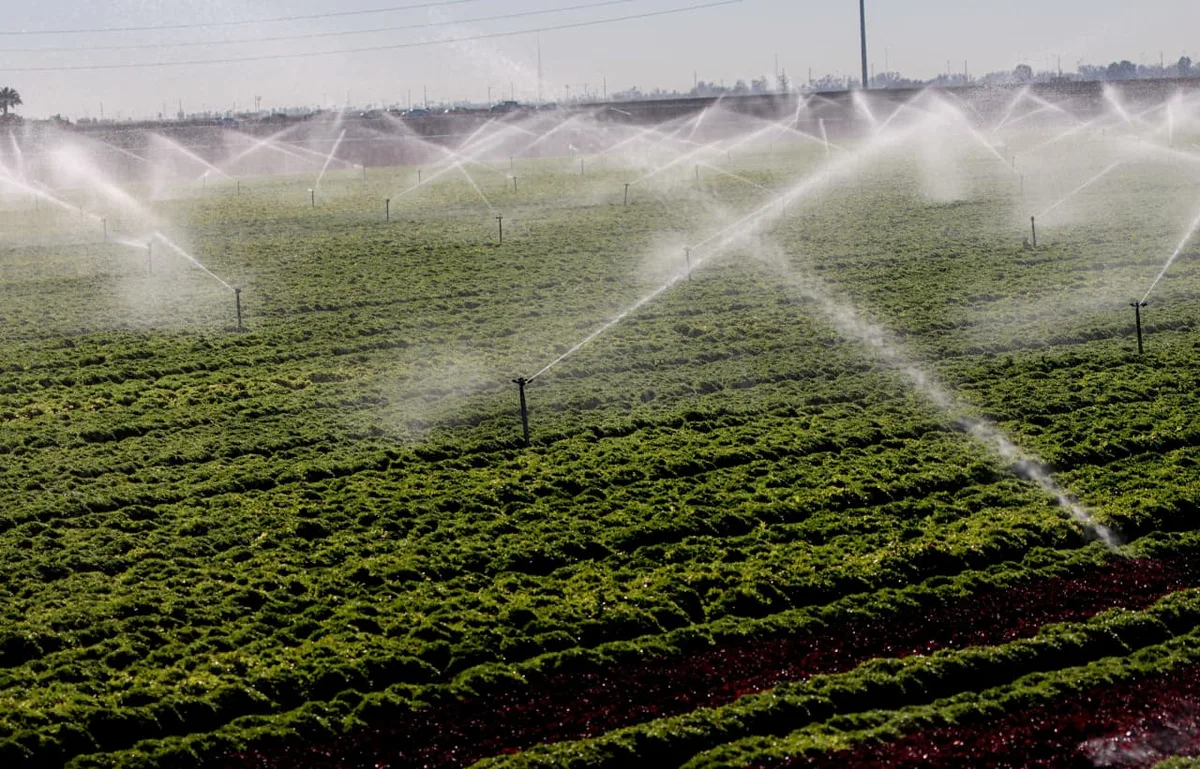
A cyclospora outbreak spreading across the United States is drawing heightened public-health attention, not simply because of its geographic reach, but because investigators suspect it may involve more than a single contaminated food source — a complexity that makes containment significantly harder and resolution slower.
Cyclosporiasis, the illness caused by the microscopic parasite *Cyclospora cayetanensis*, is typically linked to fresh produce such as herbs, leafy greens, or berries that have been exposed to contaminated water. When an outbreak traces back to a single product from a single supplier, recalls and advisories can move quickly. A multi-source scenario, however, requires parallel investigations, broader traceback work, and more time before officials can confidently declare the threat contained.
Read more Iran Holds Strait of Hormuz Talks With Saudi Arabia and Oman →
The timing adds another layer of concern. Cyclospora outbreaks in the United States have historically clustered in the summer months, when importation of certain fresh produce peaks and the parasite's transmission conditions are most favorable. If this outbreak follows that seasonal pattern — and if multiple supply chains are implicated — public-health officials could be working through cases well into August before the situation stabilizes.
For consumers, the practical implications are meaningful. Cyclospora is not destroyed by standard refrigeration, and unlike many foodborne pathogens, it requires days to weeks to cause symptoms after exposure, making it difficult for individuals to connect illness to a specific meal or ingredient. Thorough washing of fresh produce remains advisable, though health authorities note it does not guarantee elimination of the parasite.
The investigation underscores a recurring vulnerability in the U.S. food safety system: complex, globalized supply chains can allow a contamination event to reach many consumers before the source is pinpointed. Continue reading at MarketWatch.com