World Cup Semifinals Trigger Late Travel Surge to U.S. Host Cities
As the tournament enters its semifinal stage, travel demand to U.S. World Cup host cities is spiking sharply, driven by the biggest spenders.
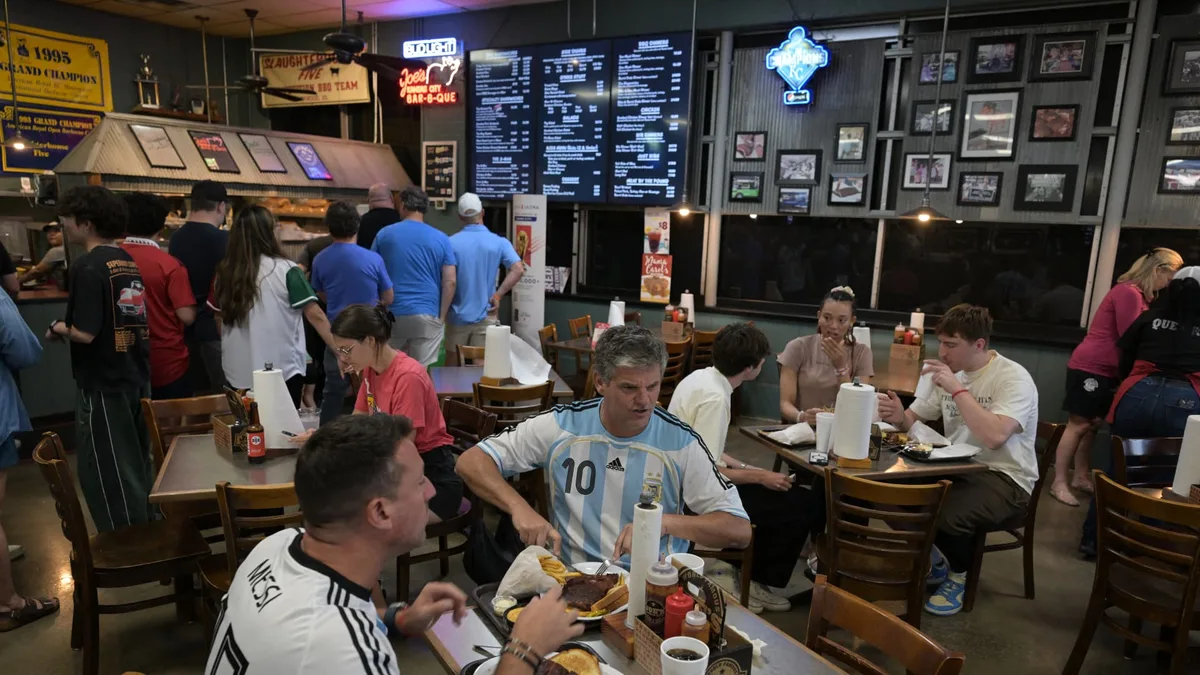
The 2026 FIFA World Cup is revealing a telling pattern in consumer behavior: the highest-spending fans are not the ones who planned ahead. As the tournament advances into its semifinal rounds, travel demand to U.S. host cities is accelerating sharply, suggesting that a significant cohort of attendees deliberately waited for their nation's team to survive deep into the bracket before committing to expensive travel arrangements.
This late-stage surge carries meaningful implications for host cities and the hospitality industry. Hotels, airlines, and short-term rental platforms that may have seen sluggish mid-tournament bookings are now facing compressed demand windows — a dynamic that typically pushes prices higher and rewards those who held inventory. For local economies, the concentration of spending in the semifinal and potential final weeks means a shorter but potentially more intense economic windfall than a steady distribution across the group stage might have provided.
Read more UK PM Burnham Scraps VAT on Energy Bills in First Policy Move →
The behavior also reflects a broader truth about major international sporting events: casual fans buy tickets early and cheap, while the most passionate — and financially committed — supporters follow their teams through elimination rounds. Those travelers tend to book flights, premium accommodations, and hospitality packages on short notice, absorbing elevated prices that would deter more budget-conscious attendees. That willingness to spend is precisely what makes the semifinal window so lucrative for host markets.
For urban planners and event economists, this pattern underscores the importance of flexible infrastructure and surge-ready service capacity in the final weeks of a month-long tournament rather than assuming demand will distribute evenly. The cities positioned to capture this late-breaking wave stand to see the most meaningful return on their hosting investment.
Continue reading at CNBC.