Bessent's Treasury Buybacks Ease Bond Rout, Raise Fed Questions
Treasury's long-term debt buybacks calmed a bond selloff, but economists warn the move risks inflation and Fed independence concerns.
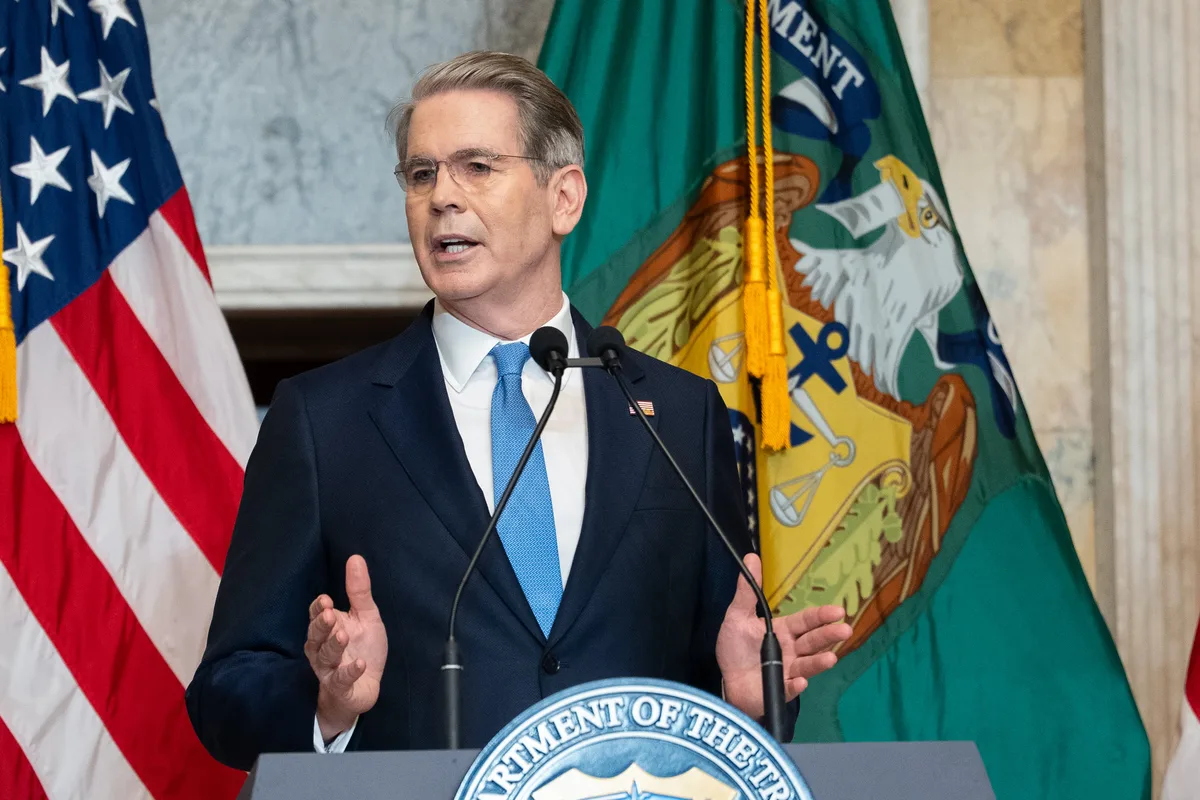
Treasury Secretary Scott Bessent has escalated the use of a relatively quiet policy lever — long-term debt buybacks — in an effort to ease pressure on bond yields that have climbed to levels rattling financial markets. The maneuver helped stabilize a bond selloff in the near term, offering some relief to investors who had grown increasingly anxious about the trajectory of long-dated U.S. debt. But the strategy is drawing scrutiny from economists who see it as a more consequential intervention than it might appear on the surface.
At its core, the buyback program allows the Treasury to repurchase its own older, long-term securities before they mature, effectively reducing the supply of long-dated bonds in the market and putting downward pressure on yields. While the tactic has precedent, deploying it aggressively to manage market conditions edges closer to monetary policy territory — traditionally the domain of the Federal Reserve. That boundary-blurring is precisely what has some economists on edge.
Read more Asia's Hydrogen Bet: Building an Economy, Not Just a Rail Line →
The concern is twofold. First, reducing long-term bond supply at scale can have inflationary implications, since it injects liquidity into the financial system at a moment when the Fed is still navigating its own inflation fight. Second, and perhaps more politically charged, the move raises fresh questions about the independence of the Federal Reserve under Governor Kevin Warsh, who has been widely mentioned as a potential future Fed chair. If Treasury is effectively leaning on bond markets in ways that overlap with monetary policy, the Fed's operational autonomy becomes harder to defend — and easier for critics to question.
The episode reflects a broader tension in Washington between the administration's desire to manage borrowing costs and the Fed's mandate to control inflation without political interference. Economists note that while buybacks are a legitimate Treasury tool, the signal they send — that the executive branch will act to cap yields — could complicate the Fed's credibility when it needs markets to take its inflation-fighting stance seriously.
For now, the immediate market panic has subsided, but the structural questions Bessent's maneuver raises are unlikely to fade quickly. Continue reading at US Top News and Analysis.