Trump Renews Attack on Fed Rate Policy, Demands Lower Borrowing Costs
President Trump again criticized the Federal Reserve's interest rate stance, accusing officials of political motivation in setting monetary policy.
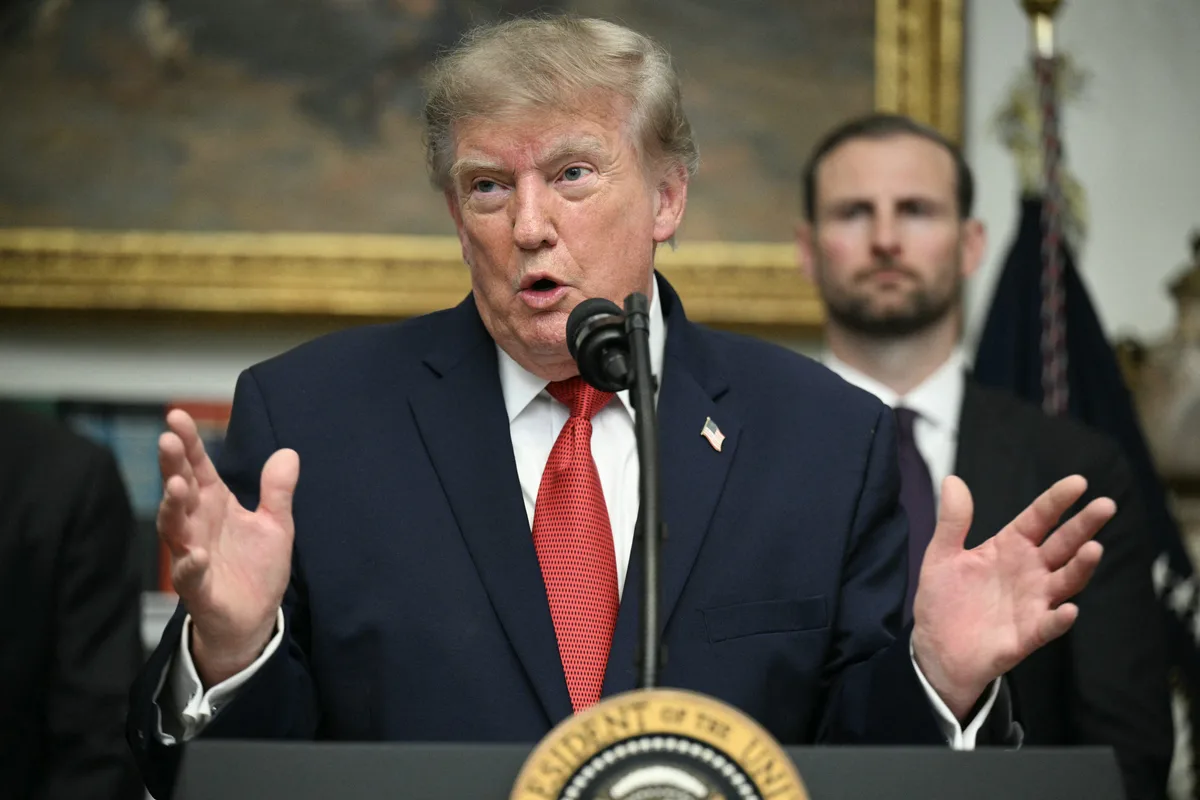
President Donald Trump has once again trained his sights on the Federal Reserve, publicly lamenting the central bank's interest rate policy and arguing that the United States should be paying significantly less to borrow. The remarks follow a well-established pattern in which Trump uses political pressure — through speeches, social media, and public statements — to signal his displeasure with the Fed's decisions, despite the institution's legally protected independence from the executive branch.
At the core of Trump's grievance is the belief that current interest rates are unnecessarily high and damaging to economic growth. Lower rates would, in theory, reduce the cost of mortgages, business loans, and government debt servicing — outcomes Trump has long associated with his preferred vision of a booming economy. However, the Fed has historically calibrated rates based on inflation data and labor market conditions rather than political preference, making the central bank a frequent target when those goals diverge from White House priorities.
Read more Asia's Hydrogen Bet: Building an Economy, Not Just a Rail Line →
Perhaps most pointed in this latest episode is Trump's accusation that Fed officials are acting out of political motivation — a charge he has leveled before. This framing positions the central bank not as a technocratic institution managing price stability, but as a partisan actor, a narrative that has the effect of eroding public trust in one of the country's most consequential financial institutions. Economists and former Fed officials have consistently rejected this characterization, emphasizing that rate decisions are grounded in economic data and committee deliberation.
The tension between a sitting president and the Federal Reserve is not new in American political history, but the frequency and intensity of Trump's criticism raises durable questions about the long-term resilience of central bank independence. Markets and investors watch these exchanges closely, as any credible threat to Fed autonomy could destabilize inflation expectations and bond yields. For now, the Fed has given no public indication it intends to alter its course in response to political pressure.
Continue reading at US Top News and Analysis.