Crypto's Political Wins Outweigh Losses in 2024 Congressional Races
Crypto-backed candidates faced setbacks but the industry's overall presence in Congress is poised to expand after the 2024 elections.
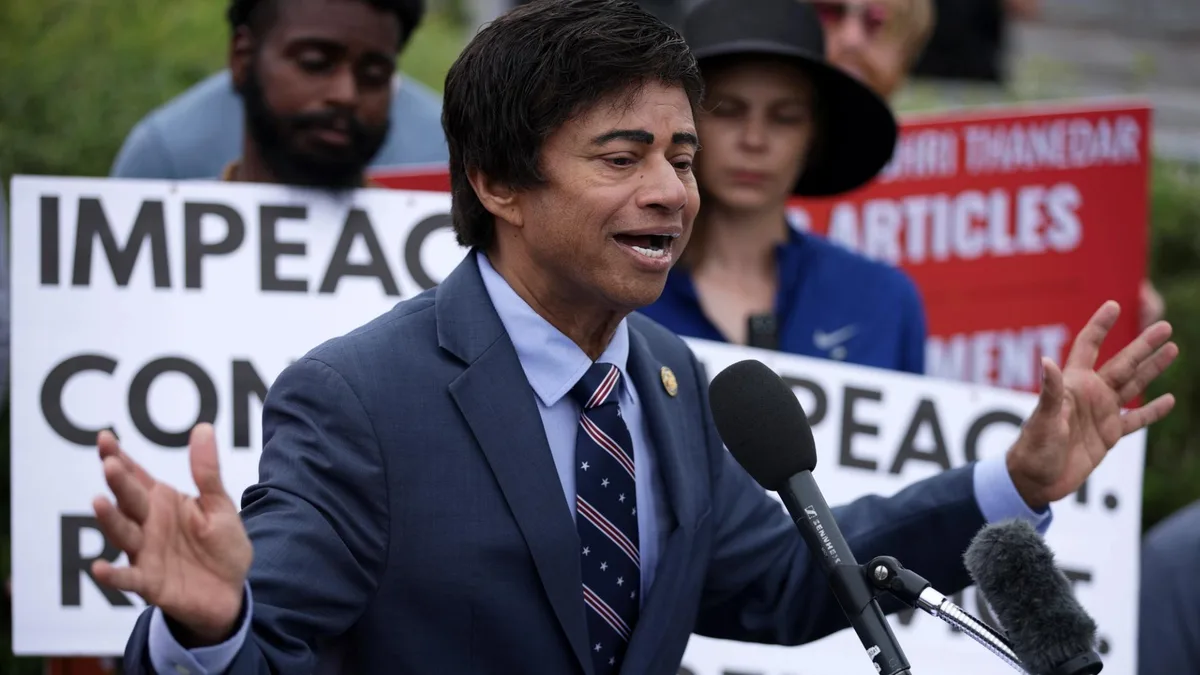
The cryptocurrency industry's ambitious push to reshape Washington suffered at least one notable defeat in the 2024 election cycle, yet the broader political calculus appears to favor the sector as a new Congress takes shape. Despite the rare loss, crypto advocates emerged from election night with reason for cautious optimism, as the roster of sympathetic lawmakers on Capitol Hill is expected to grow — a sign of the industry's deepening entrenchment in American political life.
Crypto's campaign infrastructure has matured significantly in recent cycles, with super PACs and industry groups pouring tens of millions of dollars into races nationwide. That financial firepower does not guarantee victories, but it has succeeded in elevating digital-asset issues to a level of mainstream political relevance that would have seemed unlikely just a few years ago. The occasional loss is, in that context, less a referendum on the industry's influence than a reminder that campaign spending alone cannot override every local political dynamic.
Read more US Declares Strait of Hormuz Open as Iran Deal Nears →
What matters most for the industry's near-term regulatory ambitions is the composition of key committees in the House and Senate. A Congress that includes more members who have publicly embraced crypto-friendly positions — or who received meaningful financial backing from the industry — shifts the internal politics of legislation covering digital assets, stablecoins, and market-structure reform. Even incremental gains in committee assignments could accelerate bills that have stalled for years.
Analysts watching the space note that the industry's political strategy has evolved from reactive lobbying to proactive candidate recruitment and endorsement. That shift reflects a longer-term bet: that embedding crypto-aligned voices directly into the legislative process is more durable than relying solely on outside pressure campaigns. Whether the expanded congressional roster translates into concrete policy wins remains an open question, but the foundation for influence is clearly being laid brick by brick.
Continue reading at CoinDesk.