Fed Chair Warsh Urges Restraint and Flags Inflation Risk
Jerome Powell's presumed successor outlined a cautious policy philosophy while deliberately avoiding rate signals.
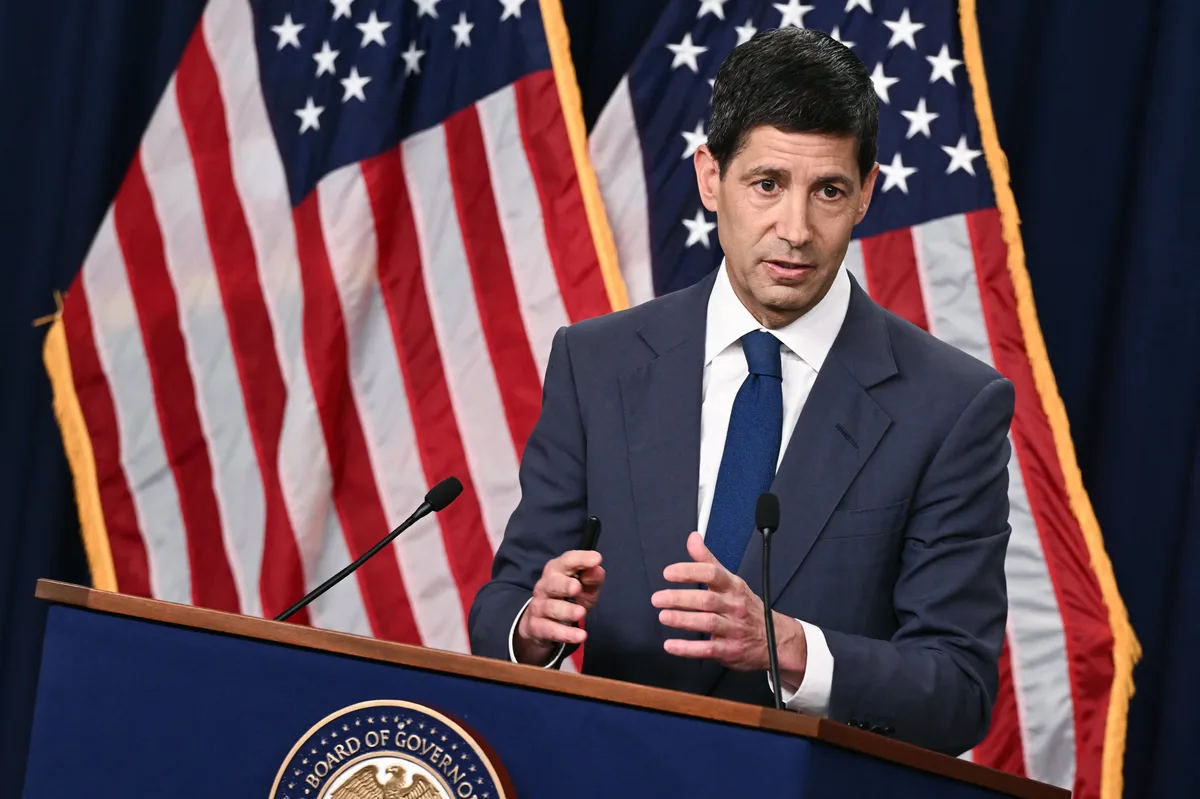
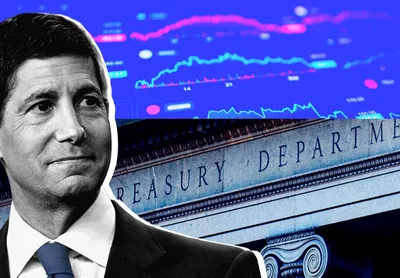
Kevin Warsh, widely considered a leading candidate to succeed Jerome Powell as Federal Reserve chairman, used a high-profile speech to articulate his vision for how America's central bank should operate — and the picture he painted is notably more reserved than recent Fed practice. His central argument: the institution should be quieter, more disciplined, and less inclined to telegraph its every move to financial markets.
On the substance of monetary policy, Warsh signaled genuine concern about inflation, suggesting that price pressures have not been fully vanquished and that the Fed must remain vigilant. That posture aligns him with the hawkish wing of economic opinion at a moment when markets are pricing in multiple rate cuts and many investors want the central bank to pivot decisively toward easing. His remarks serve as an implicit caution against premature optimism.
Read more Kevin Warsh Earns Bond Market Trust in Early Fed Chair Test →
Perhaps equally significant is what Warsh chose not to say. He carefully avoided offering any concrete signals about the direction or timing of interest rate moves — a deliberate rhetorical choice that itself embodies the 'quieter' Fed he is advocating. In an era when central bank communication has become its own policy tool, the decision to say less is a substantive statement about how he believes forward guidance should be used, or perhaps more accurately, restrained.
The philosophical thread running through his remarks touches on a broader debate within economics about whether the Fed has become too transparent, too market-dependent, and too reactive to short-term financial conditions. Critics on this side argue that constant communication has effectively handed markets a degree of influence over monetary policy that undermines the Fed's independence and long-run credibility. Warsh appears sympathetic to that critique.
For investors, economists, and policymakers watching closely, the speech offers the clearest window yet into how a Warsh-led Fed might behave — less communicative, more inflation-focused, and more willing to let uncertainty linger rather than soothe markets with reassurance. Continue reading at US Top News and Analysis.