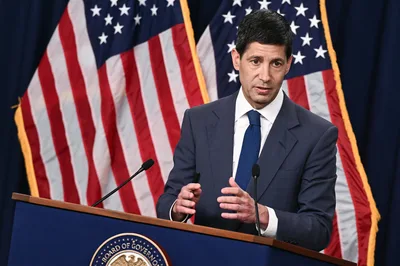
Kevin Warsh Earns Bond Market Trust in Early Fed Chair Test
The bond market responded credibly when Warsh signaled more inflation work ahead, a key early test for any new Fed chair.
For a new Federal Reserve chair, credibility is not granted — it is earned, one market reaction at a time. Kevin Warsh cleared a meaningful early hurdle on Friday when he indicated that the central bank still has unfinished business on inflation, and the bond market responded by taking him at his word. That kind of signal alignment between a Fed chair and fixed-income investors is neither automatic nor trivial.
Bond markets function, in part, as real-time credibility gauges for monetary policymakers. When traders believe a Fed chair means what he says about inflation vigilance, yields adjust accordingly — reflecting conviction that the central bank will follow through. The fact that Warsh's statement moved markets in a coherent direction suggests investors see him as a credible steward of price stability, not merely a political appointment.
Read more Fed Chair Warsh Urges Restraint and Flags Inflation Risk →
This dynamic matters well beyond a single Friday session. A Fed chair who commands bond market trust can more effectively guide expectations — which is itself a powerful policy tool. Inflation expectations that remain anchored reduce the actual work the Fed must do with interest rates. Conversely, a chair who loses the bond market's confidence faces a far steeper climb, as any forward guidance becomes suspect and market volatility compounds the policy challenge.
Warsh's early positioning as inflation-focused also carries political and institutional weight. Assuming the chair role in an environment where price pressures remain a public concern, demonstrating hawkish resolve — and having markets believe it — helps establish the independence and seriousness that the Fed's mandate requires. Whether that trust deepens or frays will depend on how Warsh navigates the inevitable tension between stubborn inflation data and broader economic conditions in the months ahead.
Continue reading at MarketWatch.com