Pakistan Reports Progress in US-Iran Talks Amid Reparation Standoff
Islamabad signals diplomatic movement on a potential US-Iran deal, even as Washington and Tehran clash over reparation demands.
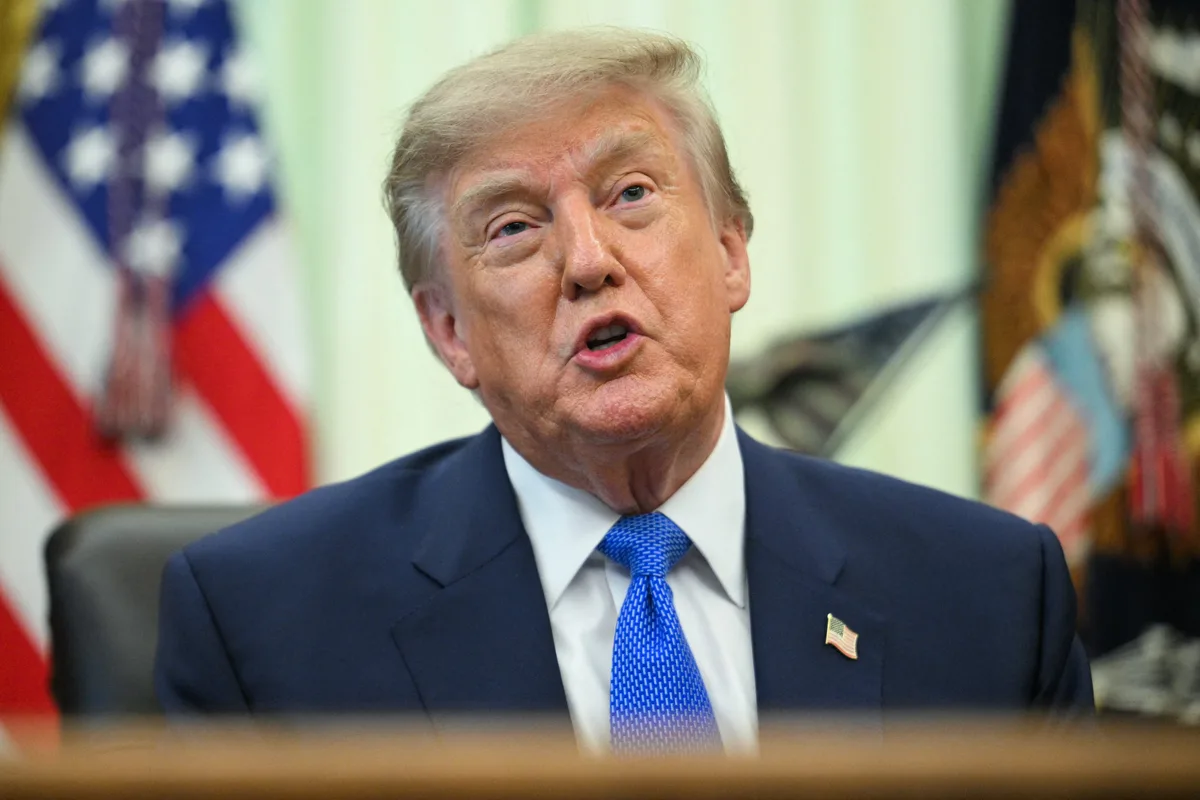
Pakistan has emerged as an unlikely intermediary in one of the most consequential diplomatic standoffs of the current era, signaling that progress is being made toward a potential agreement between the United States and Iran — even as the two adversaries remain deeply divided over core financial and political demands. Islamabad's role underscores how regional powers are increasingly stepping into gaps left by direct diplomacy between Washington and Tehran.
Despite public messaging from both capitals suggesting a mutual desire to reduce regional tensions, the substance of negotiations tells a more complicated story. The exchange of reparation demands between the two governments points to fundamental disagreements that go well beyond the procedural — each side appears to be using financial claims as leverage in a broader struggle over the terms of any eventual normalization or interim arrangement.
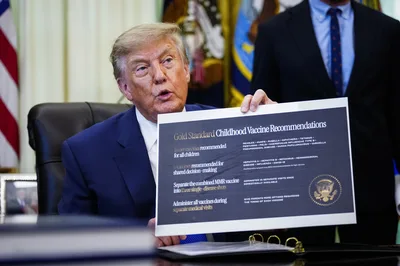
Read more Trump's MMR Split Push Lacks Scientific Basis, Experts Warn →
The gap between rhetoric and reality is a recurring feature of US-Iran diplomacy. Both governments have incentives to project optimism to domestic and international audiences, while simultaneously hardening their negotiating positions behind closed doors. Pakistan's framing of the situation as forward-moving may reflect genuine shuttle diplomacy, or it may represent Islamabad's own strategic interest in presenting itself as an indispensable regional broker.
What the situation reveals, analytically, is that any durable agreement between Washington and Tehran will require not just technical compromises on sanctions or nuclear timelines, but resolution of deep historical grievances that each side has monetized into formal demands. That is a significantly higher bar than most optimistic readings of the current moment suggest. The involvement of a third-party intermediary like Pakistan, while constructive, cannot substitute for direct negotiating will from the principals.
Continue reading at US Top News and Analysis.