Trump Administration Cuts Medicaid Funding for Youth Gender Care
The Trump administration is barring federal Medicaid and CHIP dollars from covering gender-affirming care for minors, though states retain authority to fund it.
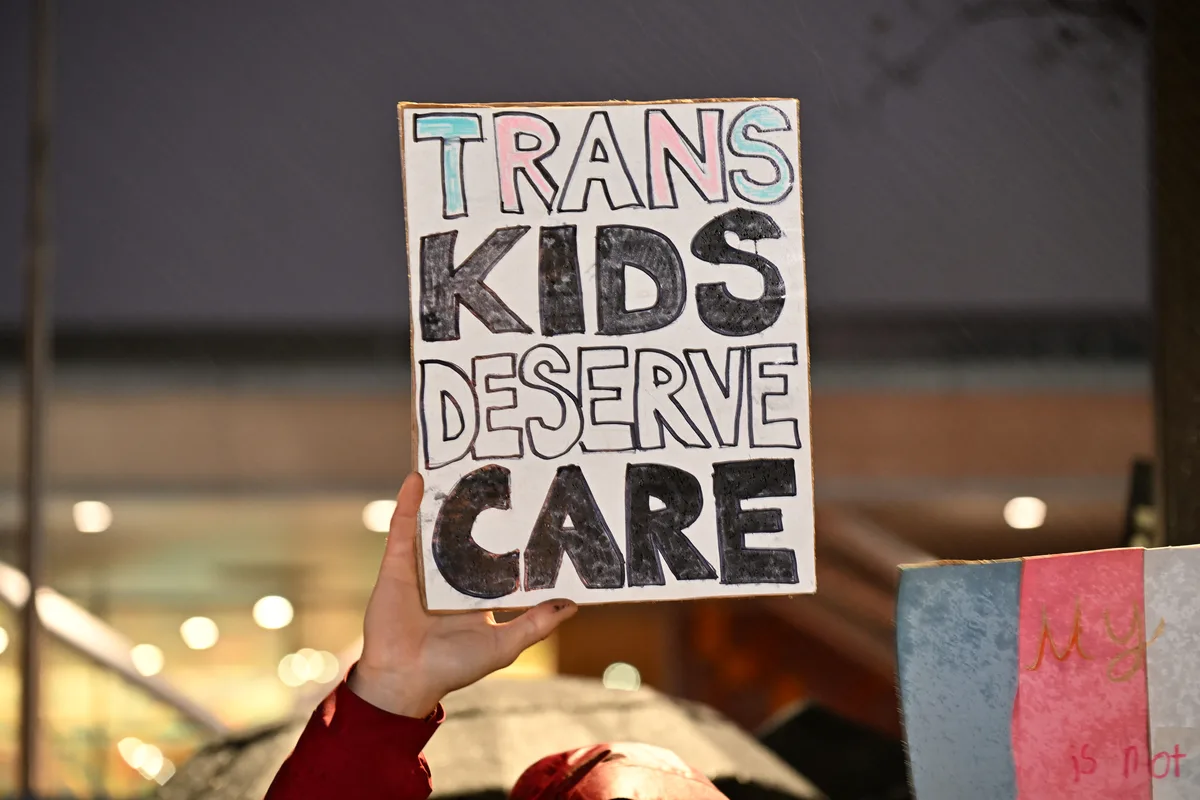
The Trump administration has moved to prohibit federal Medicaid and Children's Health Insurance Program (CHIP) funds from being used to pay for gender-affirming care for children and adolescents, marking one of the most direct federal interventions yet into how public health insurance covers transgender youth. The policy shift reflects the administration's broader effort to curtail access to such treatments through executive and regulatory action rather than legislation.
Under the new directive, states would no longer be able to draw on federal matching dollars — which typically cover a substantial share of Medicaid costs — to pay for gender-affirming procedures or therapies for minors. However, the decision stops short of an outright national ban: states that choose to fund these treatments using exclusively state dollars remain free to do so, meaning access will increasingly depend on where a child happens to live.
Read more Trump's MMR Split Push Lacks Scientific Basis, Experts Warn →
The practical consequence is a significant financial pressure point. Because Medicaid is jointly financed by federal and state governments, removing the federal match makes coverage substantially more expensive for states that wish to maintain it. That fiscal calculus could effectively discourage even politically sympathetic states from continuing coverage, compressing access in ways that a blunt prohibition might not.
The move arrives amid a wave of state-level legislation restricting gender-affirming care for minors and ongoing litigation over those laws, creating a fragmented and rapidly evolving legal landscape. Critics argue the policy will harm vulnerable youth who rely on public insurance programs, while supporters contend it reflects appropriate limits on how federal health dollars should be allocated. The administration's action is likely to face legal challenges similar to those mounted against related state restrictions.
Continue reading at US Top News and Analysis.