Trump Renews Attack on Fed Rate Policy, Demands Lower Rates
President Trump again criticized Federal Reserve officials over interest rate decisions, alleging political motivations behind their policy choices.
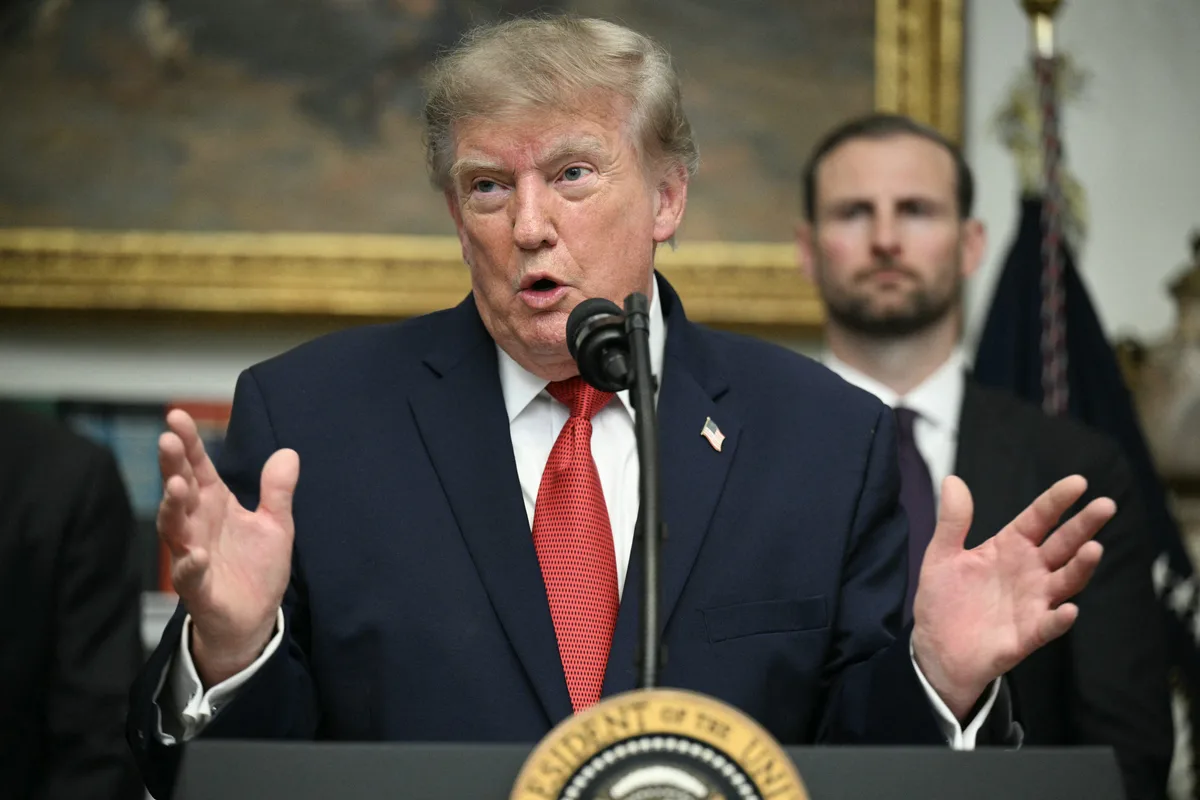
President Donald Trump has once again set his sights on the Federal Reserve, publicly lamenting the central bank's interest rate policy and arguing that the United States should be paying significantly less to borrow money. The remarks follow a well-established pattern in which Trump uses public pressure to push back against the Fed's monetary decisions — a tactic he employed extensively during his first term in office.
Central to Trump's critique is a familiar accusation: that Fed officials are driven not purely by economic data, but by political considerations. By framing the central bank's decisions as ideologically motivated rather than technically grounded, Trump is effectively challenging the institutional independence that the Federal Reserve has maintained for decades — a cornerstone of modern U.S. monetary policy.
Read more Asia's Hydrogen Bet: Building an Economy, Not Just a Rail Line →
The tension between the White House and the Fed carries significant implications for markets and the broader economy. When a sitting president publicly pressures an ostensibly independent central bank, it can introduce uncertainty into financial markets, complicate the Fed's communication strategy, and raise questions internationally about the credibility of U.S. monetary governance. Investors and economists watch these exchanges closely, as perceived erosion of Fed independence can influence everything from bond yields to the dollar's reserve-currency status.
The Federal Reserve, led by Chair Jerome Powell, has maintained that its rate decisions are grounded in its dual mandate — controlling inflation while supporting maximum employment — and that political considerations play no role. Whether Trump's renewed pressure campaign will have any practical effect on Fed policy remains an open question, but history suggests the central bank is unlikely to alter its course in direct response to executive criticism.
Continue reading at US Top News and Analysis.