Federal Trade Court Upholds Trump's De Minimis Loophole Closure
A federal trade court has backed Trump's move to end the de minimis exemption, which the president called a 'BIG WIN' on Truth Social.
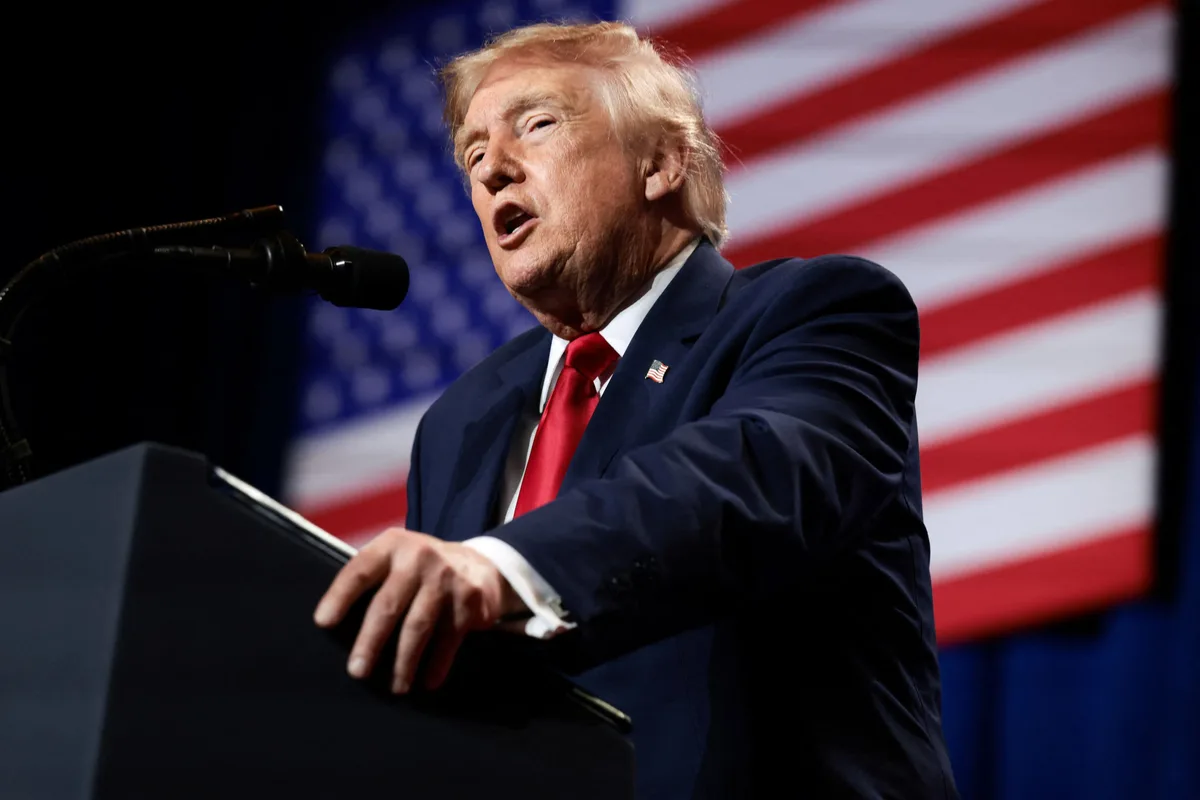
A federal trade court has upheld the Trump administration's decision to close the so-called de minimis exemption, a long-standing customs provision that had allowed low-value foreign shipments — primarily from Chinese e-commerce giants — to enter the United States duty-free. The ruling represents a significant legal endorsement of one of the administration's most consequential trade enforcement actions in recent memory.
The de minimis rule had historically allowed packages valued under $800 to clear U.S. customs without tariffs or formal entry procedures, a threshold that critics argued was being systematically exploited by overseas retailers shipping directly to American consumers. The closure of this exemption is widely seen as a direct challenge to platforms such as Shein and Temu, whose low-cost business models were built in large part around that duty-free pipeline.
Read more Federal Trade Court Upholds Trump's End of De Minimis Exemption →
President Trump marked the court's decision with characteristic fanfare, taking to Truth Social to declare the outcome a "BIG WIN." The celebratory post underscores how central trade enforcement has become to the administration's broader economic messaging, with the de minimis issue serving as a particularly visible flashpoint in the ongoing tension between Washington and Beijing over trade imbalances.
The practical consequences of the ruling are likely to ripple across the retail landscape. American consumers who have grown accustomed to ordering ultra-cheap goods directly from overseas sellers may begin to see prices rise as import duties are applied to previously exempt shipments. Domestic retailers, who have long complained that the exemption gave foreign competitors an unfair structural advantage, are expected to view the decision as a meaningful rebalancing of the competitive playing field.
The court's decision adds legal durability to a policy shift that had already begun reshaping cross-border e-commerce flows. Whether the ruling withstands further legal challenges remains to be seen, but for now the administration has secured both a judicial and political victory on one of its signature trade priorities. Continue reading at US Top News and Analysis.