K, C, or E? Economists Debate the Shape of Today's Economy
The once-settled 'K-shaped' recovery framework is fracturing as economists search for a better model to describe today's uneven economy.
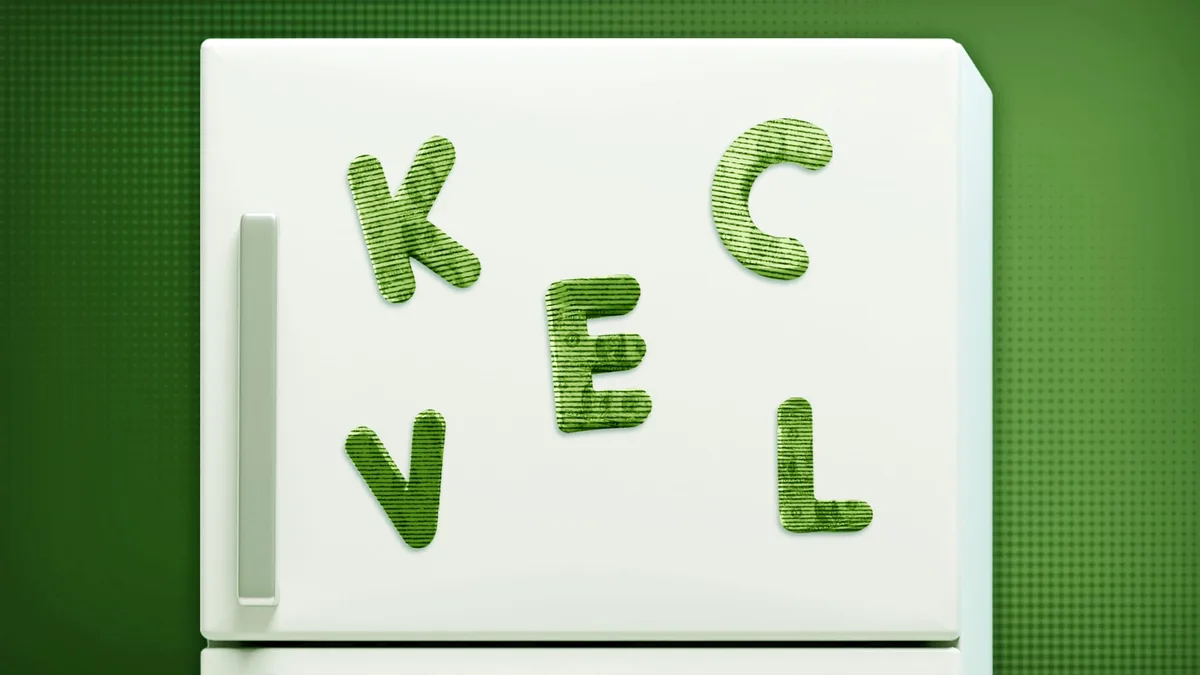
For much of the post-pandemic era, economists reached for a single letter to explain an uncomfortable truth: recovery was diverging sharply, with higher-income households and certain industries surging while lower-wage workers and vulnerable sectors lagged behind. That letter was K — one arm pointing up, one pointing down — and for a time, it served as a useful shorthand for a fractured economic landscape.
But that consensus is now coming apart. A growing number of economists are questioning whether the K-shape still captures what is actually happening, and rival letters are entering the conversation. Each proposed shape carries its own implicit argument about who is winning, who is losing, and whether the divergence is widening, narrowing, or simply mutating into something harder to categorize.
Read more Fed Chair Warsh Urges Restraint and Flags Inflation Risk →
The debate over economic geometry is more than academic. The letter an economist chooses encodes assumptions about the trajectory of inequality, the durability of labor market gains, and the degree to which monetary tightening has filtered unevenly through different income groups. A C-shape might suggest a broad but incomplete rebound; an E-shape could imply multiple simultaneous tracks with no clean narrative tying them together.
What the disagreement itself reveals may be the most important signal. When economists cannot agree on the shape of a recovery, it typically means the underlying data are sending genuinely mixed messages — strong aggregate numbers coexisting with pockets of persistent stress. That ambiguity complicates both policy and public understanding, since headline statistics can obscure the lived experience of large segments of the population.
The search for the right letter, then, is really a search for the right story — one that policymakers, businesses, and households can use to make sense of an economy that continues to defy simple description. Continue reading at US Top News and Analysis.