Trump Claims Venezuela Oil Deal, but Price Relief Is Far Off
The U.S. says it has secured majority control of Venezuela's vast oil reserves, but analysts see little near-term impact on American gas prices.
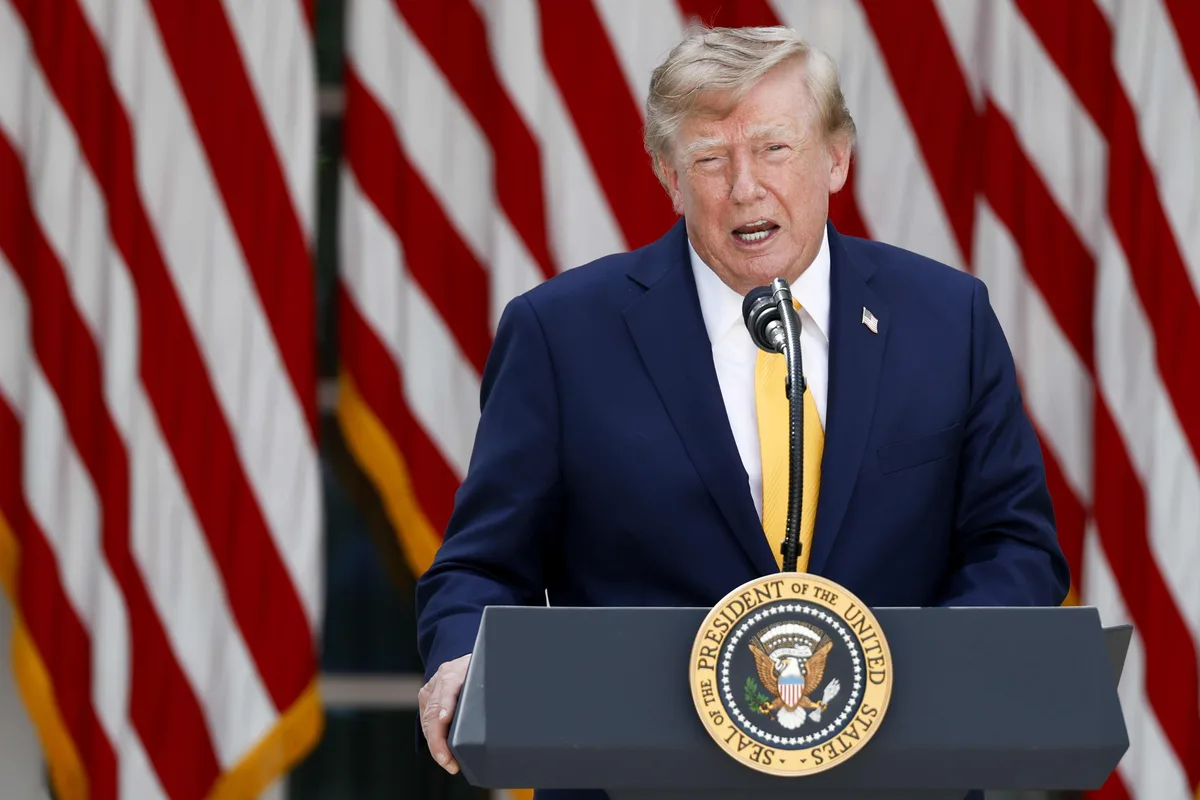
President Donald Trump announced Friday that the United States has secured majority control over 65 billion barrels of Venezuela's proven oil reserves — a headline-grabbing figure that, on its face, sounds like a watershed moment for American energy policy. The sheer scale of the claimed stake would represent one of the largest sovereign resource agreements in recent memory, positioning the U.S. with indirect influence over one of the Western Hemisphere's most significant hydrocarbon deposits.
Yet the gap between a diplomatic announcement and actual barrels flowing through a pipeline is enormous, and that gap is precisely why American drivers are unlikely to feel any relief at the pump anytime soon. Venezuela's oil infrastructure has deteriorated severely over years of mismanagement, U.S. sanctions, and underinvestment. Even if the legal and geopolitical framework of such a deal were immediately resolved — itself a monumental assumption — rebuilding production capacity to meaningful export levels would take years and billions of dollars in capital expenditure.
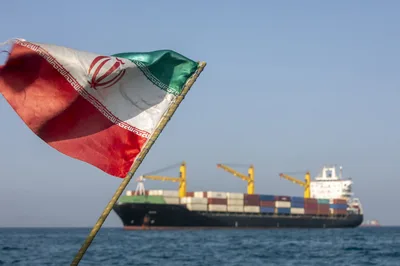
Read more U.S.-Iran Tensions Rise as Sanctions Strategy Shows Its Limits →
There is also the structural reality of how global oil markets work. Crude oil is priced on international benchmarks, meaning that new Venezuelan supply, if and when it materializes, would be absorbed into a worldwide market rather than directed exclusively to lower American retail prices. Gas prices at U.S. stations reflect refining capacity, distribution costs, local taxes, and global crude benchmarks — not bilateral ownership agreements struck in diplomatic negotiations.
The announcement is better understood as a geopolitical signal than an energy-market event. By asserting strategic access to Venezuelan reserves, the Trump administration appears to be reinforcing a broader posture of resource competition with China and other powers that have courted Caracas in recent years. Whether the deal holds legal and political durability — given Venezuela's complex domestic situation — remains a critical open question that markets and policymakers will be watching closely.
Continue reading at US Top News and Analysis.